Helmholtz Academy for Intrapreneurship.
HAFIS
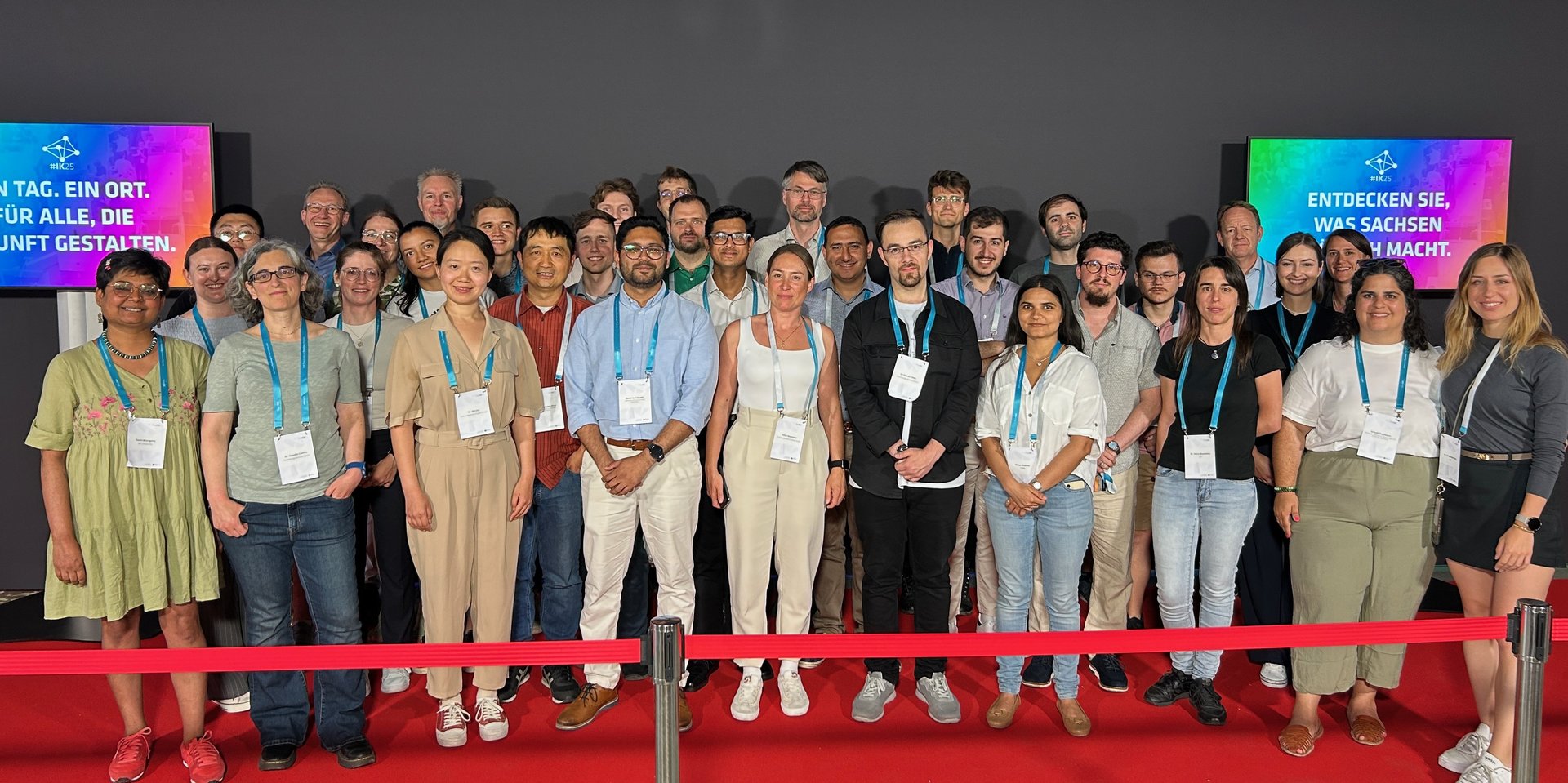
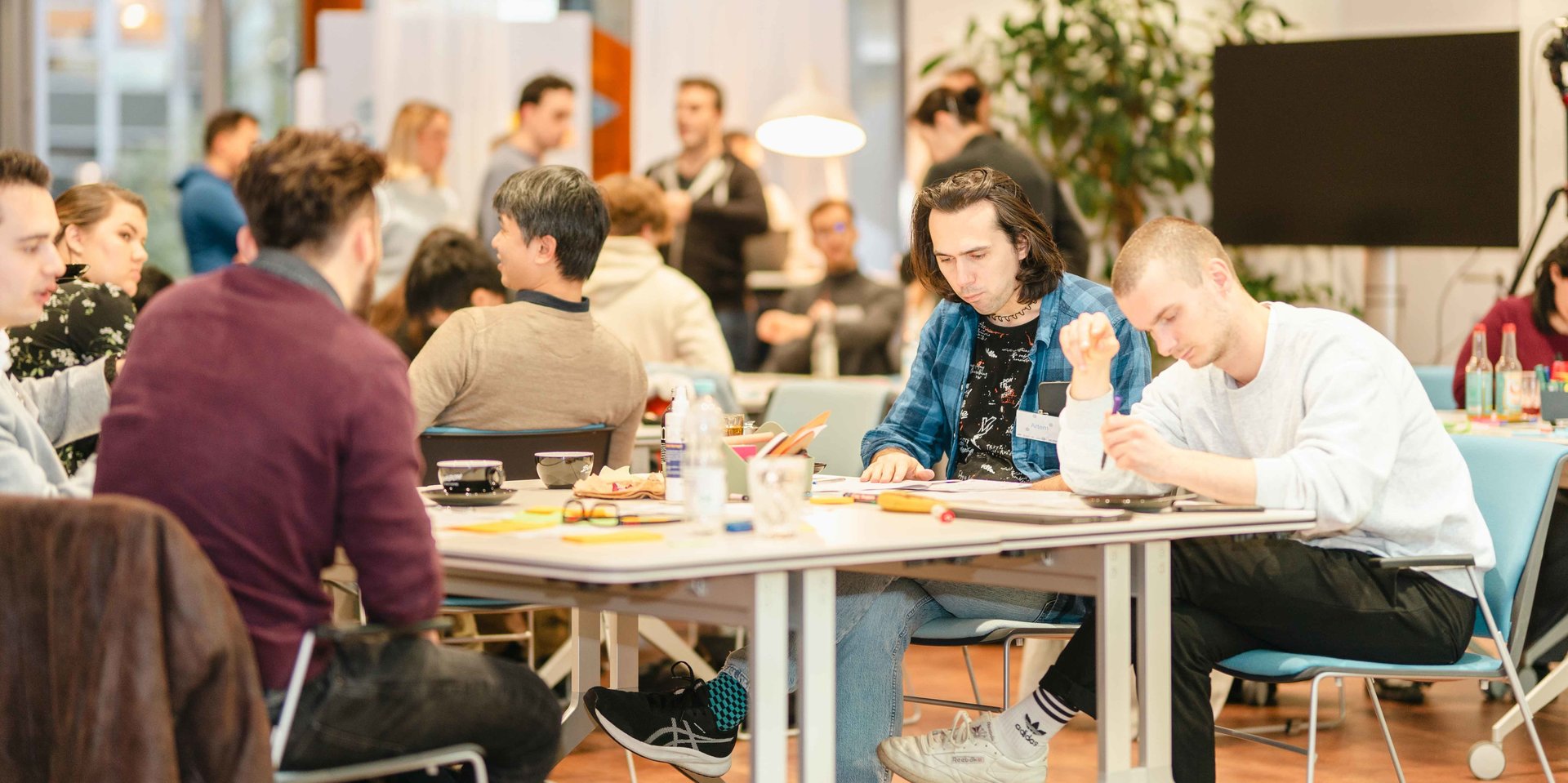
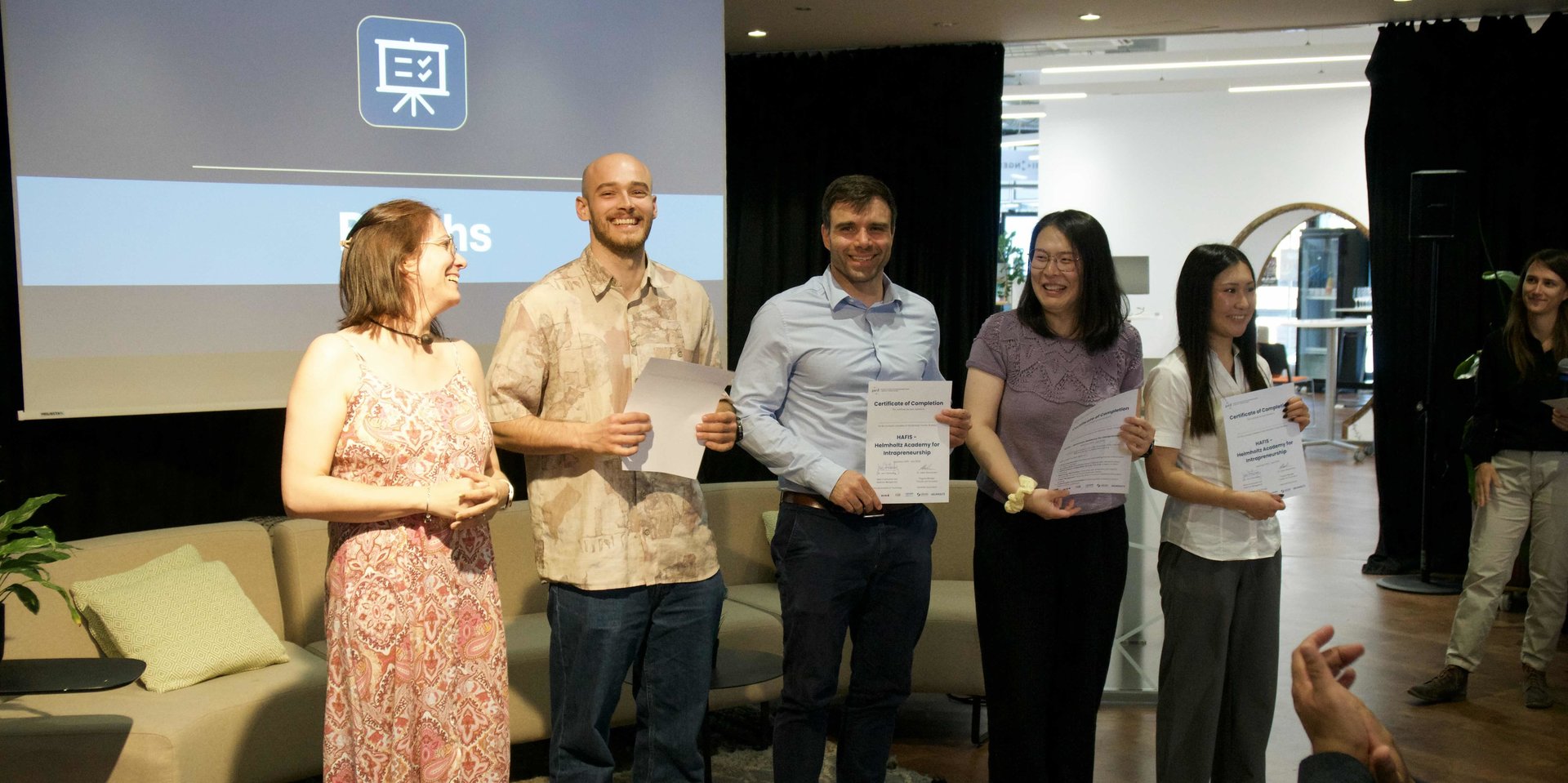
Project-based learning instead of concentrated educational programs is the focus of the Academy. Researchers are taught the skills they need to identify transfer potential and to implement it while also developing their own transfer project. The Academy builds on the research results already achieved, existing skills and existing interests of the participants and supports them in the development and implementation of a suitable project idea with practical relevance. Therefore, HAFIS keeps the spectrum of transfer formats open. Potentials can range from knowledge and technology transfer to start-ups. The participants are accompanied by coaches and experts. By the end of the program, they gain competencies and the foundation to launch their own careers.


All further information about the Academy can be found on the official HAFIS website: www.hafis.info
"The Academy is the perfect opportunity for all researchers at GSI & FAIR who want their research to make a concrete contribution to society. Learn to recognize transfer potential, successfully implement projects, and thereby lay the foundation for securing funding for your department and research."
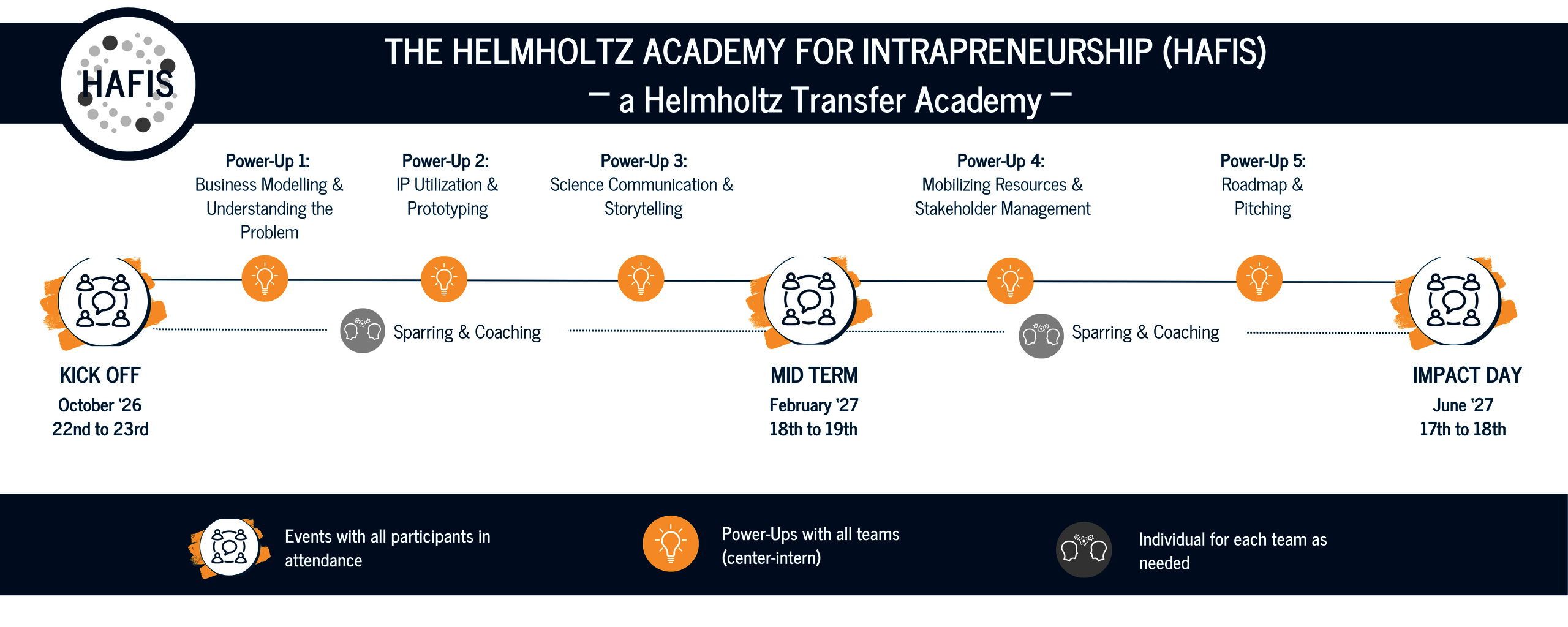
The Next Academy: A Closer Look
Previous HAFIS Projects by GSI/FAIR
ELOG-RAG
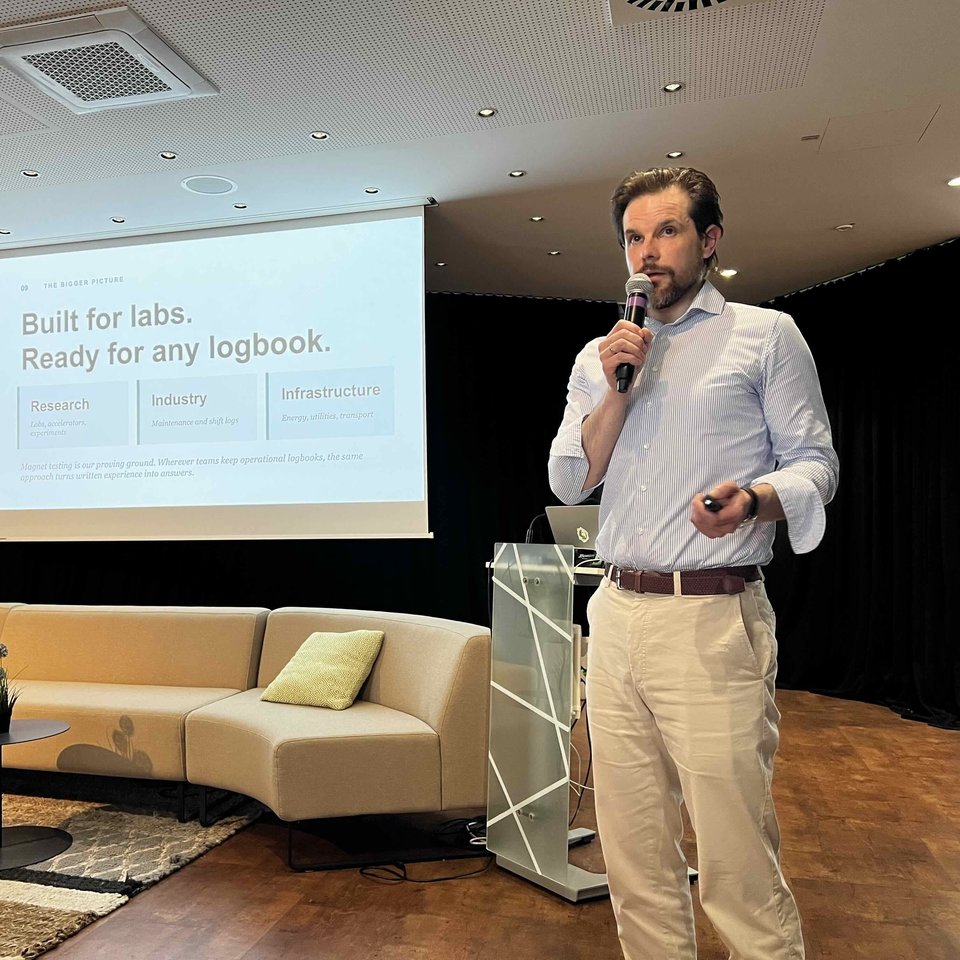
ELOG-RAG transforms years of operational logbook records, fault reports, and troubleshooting notes into a searchable knowledge resource. Instead of relying on individual memory to find past solutions, users can describe a problem in plain language and instantly receive relevant historical cases, together with answers linked directly to the original records for verification and traceability. A key advantage of ELOG-RAG is its focus on reliability. Unlike generic AI tools, which may return superficially similar but operationally irrelevant results, ELOG-RAG is designed to identify critical contextual differences and ground every response in documented evidence. The system also runs entirely on an organisation’s own infrastructure, ensuring GDPR compliance and keeping sensitive operational data and intellectual property under full control. The approach is broadly applicable to any organisation that maintains operational records. By preserving expertise, reducing knowledge loss when experienced staff leave, and accelerating problem-solving, ELOG-RAG turns a passive archive into an active knowledge resource that supports more efficient and informed operations.
My Saige
My Saige is a smartphone application designed for healthy adults who want to better understand, maintain, and improve their cognitive abilities. The app combines science-based assessments and training exercises with an AI companion called “Saige,” which provides guidance, personalised feedback, and progress analysis. A key feature of My Saige is the separation of objective cognitive testing from contextual training activities. This approach reduces practice effects and enables reliable long-term tracking of cognitive performance. The app also places a strong emphasis on accessibility by adapting exercises to individual users and planning future features such as larger text sizes and voice-based interaction. My Saige focuses on core cognitive domains including working memory, attention, cognitive flexibility, processing speed, and verbal memory and language. The project is currently developing an iOS prototype for alpha and beta testing. Future plans include expanding the exercise library, integrating more advanced AI-supported coaching, and conducting user studies to further improve usability and accessibility.
RAD³
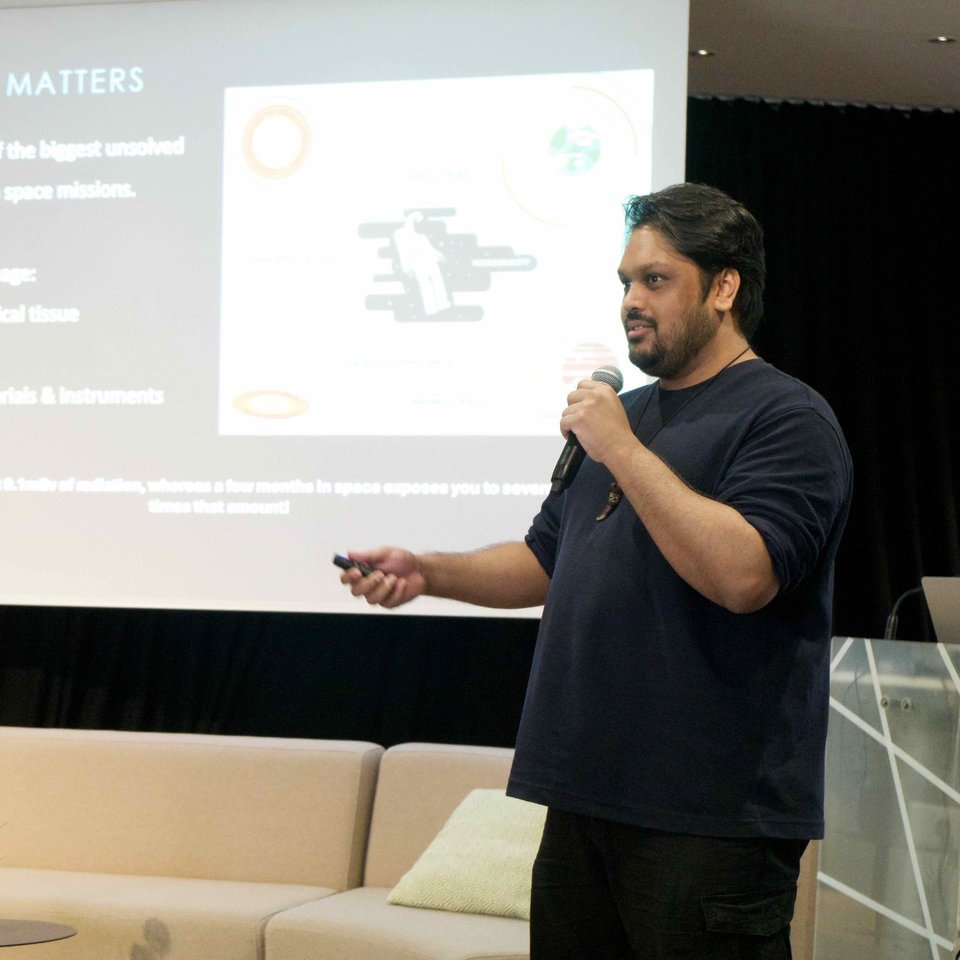
RAD³ addresses a key challenge in space exploration: evaluating radiation shielding materials under realistic space conditions. While simulations and accelerator-based experiments provide valuable insights, they cannot fully replicate the complex and dynamic radiation environment encountered in orbit. Dedicated space experiments, meanwhile, are costly and difficult to repeat. To bridge this gap, RAD³ explores a CubeSat-based platform that enables the direct testing and comparison of multiple shielding materials in space. By exposing different materials to the same radiation environment, the platform aims to generate more realistic performance data and support the development of effective shielding solutions for future spacecraft and human missions. Combining space systems engineering, radiation research and materials science, RAD³ seeks to reduce the uncertainty between laboratory results and in-orbit performance. Developed through the HAFIS innovation program at GSI and academic work at TU Darmstadt, the project is currently advancing from concept to feasibility assessment with support from space radiation and CubeSat experts.
C.LEO.PATRA - Clear Low Earth Orbit From Space Trash
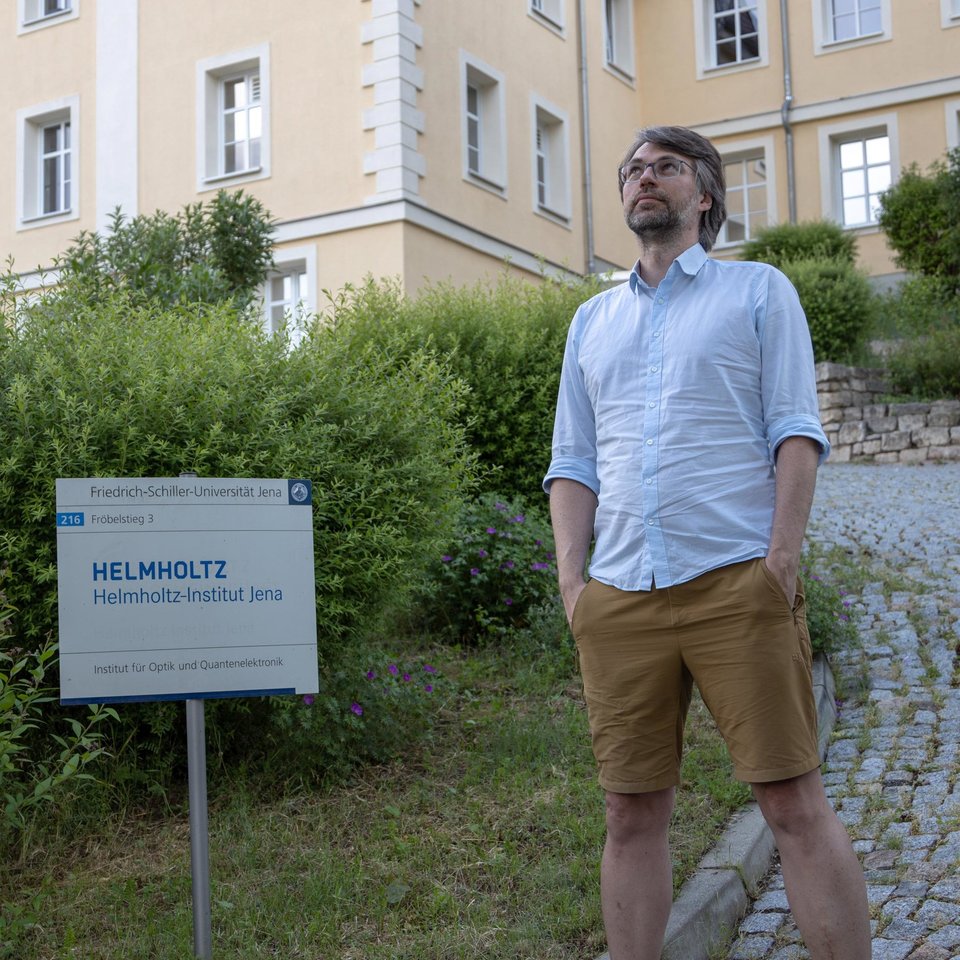
In recent years, commercial space travel has placed a large number of communications satellites into low Earth orbit. These enable global Internet access but have a lifespan of only a few years before burning up in the atmosphere. With growing space traffic, the risk of collisions with other satellites or space debris is increasing. In the long term, this could make research and space travel impossible. Removing space debris is difficult because particle sizes vary widely – objects between 1 and 10 cm, in particular, are challenging to detect and cannot be shielded. Ground-based radar systems also detect only objects larger than about 1 meter.
C.LEO.PATRA opens up a way to detect and remove space debris, especially objects in the centimeter range. A novel space-based high-intensity laser system is designed to enable the detection of space debris at distances of up to 100 km and then vaporize the debris in its field of view. This would be possible through the coherent combination of ultra-short high-power laser systems.
Laser-Cutter in the Hot-Cell

Climate change and rising energy demand are driving the world toward green and alternative solutions. Nuclear energy and atomic-level research are making essential contributions to sustainable energy sources. This research involves the use of equipment that can become radioactive. So-called “hot cells” are used to handle such materials safely. A hot cell is a shielded room in which authorized persons process radioactive materials remotely, i.e., using robotic arms or manipulators. Radioactive components are cut up and prepared for storage. However, conventional cutting methods such as circular saws or chainsaws generate dust, particles, and secondary waste. They contaminate the surface of the hot cell, which results in increased cleaning effort, personnel, and costs.
One solution is to use laser cutters in the hot cell. They enable remote operation, generate minimal secondary waste, reduce contamination, and reduce the amount of work and time spent in the active area. They also allow precise marking and mapping of radioactive materials.
B.R.I.D.G.E.
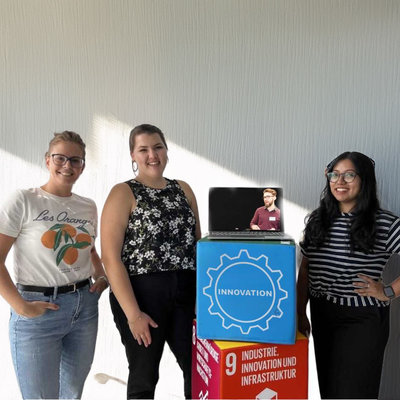
B.R.I.D.G.E. (Build, Research, Integrate, Develop, Generate, Engage) is a strategic model that aims to bridge the gap between scientific knowledge and practical application in science education—with a focus on innovation, creativity, and hands-on learning. It is aimed at students, doctoral candidates, and postdocs who will become future leaders in science and technology. The model covers areas from fundamental scientific concepts to the development of innovative solutions and actively promotes participation in innovation processes. It is based on cooperation with research and educational institutions, and offers access to a new generation of talent, new technologies, mentoring, and sponsorship. Events such as the “Night of Innovation” combine innovation and networking. Institutional funds, industry sponsorship, and income from larger educational events provide the financial basis. B.R.I.D.G.E. is scalable and future-oriented, aiming to make science education innovation-driven in the long term.
Booklets from the last years

FAQ
What is Intrapreneurship?
What makes the Academy so special?
Unlike the often-practiced approach of empowering researchers for transfer projects through extensive educational programs and then relying on them to implement the projects independently, the HAFIS approach focuses on project-based learning and practical implementation. To this end, the Academy builds on participants' existing research results, skills, and interests and supports project-based training. In the project-based training, participants identify potential transfer projects in their own research, develop concrete project ideas, and implement them as prototypes. The central feature of the Academy is that participants form teams in which they learn and test intrapreneurship tools using their own projects, are motivated by the project results achieved, and develop an intrapreneurial spirit.
Who can participate in the Academy?
All GSI and FAIR employees are eligible to apply for the Academy. HAFIS imposes no restrictions on participants' professional backgrounds. This means that the format is open to all research topics and disciplines. However, to enhance the Academy's effectiveness, each HAFIS cycle is assigned an overarching thematic focus (e.g., “Climate Protection CO2 Neutrality”) relevant to all participating centers.
What Resources are provided?
Human resources: To overcome staff availability bottlenecks, individuals who are not directly involved in research but have a keen interest in participating in transfer projects are brought on board. GSI/FAIR works closely with TU Darmstadt and Goethe University in Frankfurt. Such individuals are often found in university groups or project-based teaching programs. Some freelancers also get involved in transfer projects for their own professional development. HAFIS participants are supported by the Technology Transfer department and are offered opportunities to supplement their team capacities and to mobilize these resources.
Financial resources: Each team receives a budget of 1.500 € to cover smaller purchases, such as prototype materials, services, or project-related travel.
How is the Academy organized?
The HAFIS consortium comprises KIT (the consortium leader), FZJ, GSI, and HZDR. The centers are represented by members of each transfer office. HAFIS is structured around five parties: the participants and the project teams formed, the supporting project mentors, an organizational team for each participating center, a central academy coordination team, and an advisory board.
The project teams: Participants initially start the academy individually and, throughout the program, develop project ideas and form suitable teams of approximately three to four members. This is intended to promote a more interdisciplinary atmosphere. The members of each team are usually recruited from a single Helmholtz center. However, cross-center teams are possible and even desirable.
The project mentors: Each project team is assigned a mentor to provide content support. This mentor comes from the business world or is part of a target group that is important for the project (for example, politics). This helps the team to better understand the target audience of their project and its (market) environment. Project mentors can be alumni of the respective center or employees of partner companies.
The organization team: At the participating centers, HAFIS is organized by decentralized academy teams. Depending on the number of participants, one or two coaches are assigned to each team. They are responsible for supporting and empowering the participants. The coaches have experience organizing and conducting workshops and have a good understanding of methods in innovation management (, design thinking, opportunity identification, etc.). The HAFIS teams at the centers are based in the respective transfer offices and can involve relevant persons (for example, from innovation management). This promotes close integration with existing offerings, mutual learning, and sustainable support for projects beyond the Academy.
HAFIS coordination: HAFIS coordination organizes the exchange of experiences between the coaches at the centers. Furthermore, the consortium partners also define cross-center milestone events and other joint events within this framework. This ensures consistency, continuous improvement and mutual learning across the Academy member institutes. In addition, HAFIS's coordination is responsible for external communication and consortium leadership. Accordingly, skills in project management, digital communication, and event management are required here.
The Advisory Board: The responsible board members of the participating centers, or suitable representatives, form an advisory board with a member of the Helmholtz Office that meets annually. The advisory board supports the Academy and represents it in the Helmholtz Association.
How is the Academy financed?
HAFIS is financed 50% by the Helmholtz Impulse and Networking Fund as part of the “Transfer Campaign” funding program and 50% from its own resources. The applicants are the Helmholtz Centers GSI, KIT, HZDR, and Forschungszentrum Jülich. The funds will be provided for a period of three years, beginning on April 1, 2023.
Contact

An initiative by:


Funded by
Start of the next Academy: October, 22
Interested? Send a quick, informal email by October 1 – We'll be in touch.