Students ESA/FAIR 2026
Emily Andersen (Norway)
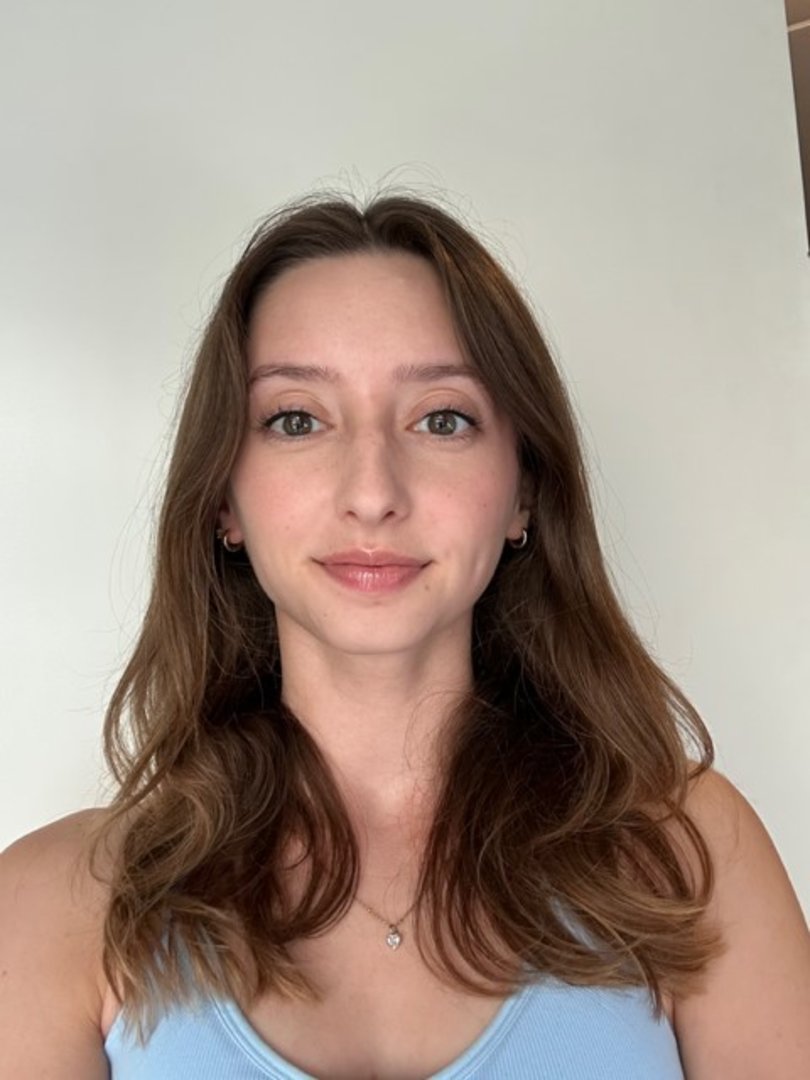
My name is Emily Andersen, and I am currently pursuing a master’s degree in Physics and Mathematics with a specialization in Technical Physics at the Norwegian University of Science and Technology (NTNU). I obtained my bachelor’s degree in Physics from the University of Bergen, during which I also completed a year-long Technical Studentship at CERN in the BE-EA-LE section and HiRadMat facility. My bachelor’s thesis and primary work at CERN involved performing radiation protection and energy deposition studies using Monte Carlo simulations for the plasma astrophysics experiment HRMT-64. From June 2026, I will be interning in the Exploration Science Activities group at ESTEC, where I will work on radiobiological protection for human spaceflight, including radiation dose assessment and simulations related to future lunar and Martian exploration missions.
Evangelia Christodoulou (Greece)
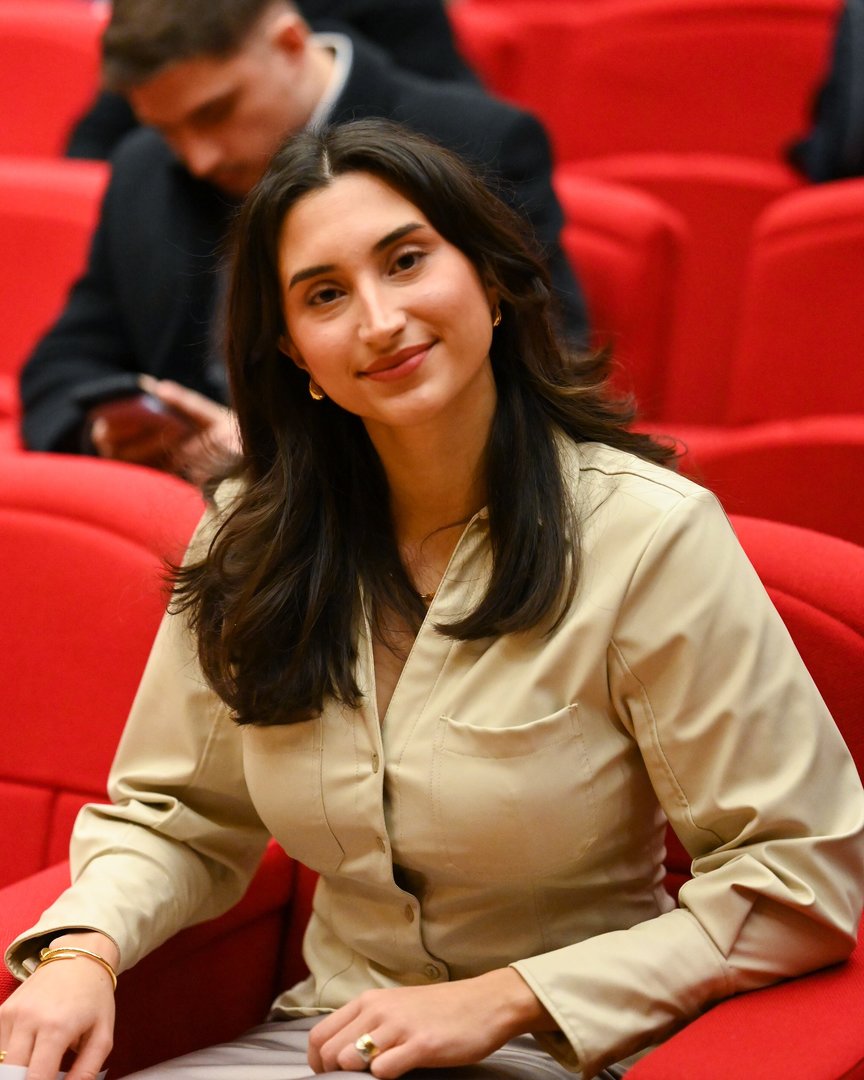
Evangelia Christodoulou is an MSc student in Astrophysics at the National and Kapodistrian University of Athens and an incoming PhD candidate in Space Physics, under the supervision of Prof. I. A. Daglis. She also holds a bachelor’s degree in physics from the same university. Her research focuses on radiation belt dynamics, and space weather. She has completed research internships at the European Space Agency (ESA/ESTEC) and the National Observatory of Athens (NOA/IAASARS). Her technical skills include modelling the response of radiation detectors (NGRM, SREM) using the GRAS/GEANT4 simulation toolkit.
Ela Wendy Contreras-Panta (USA)
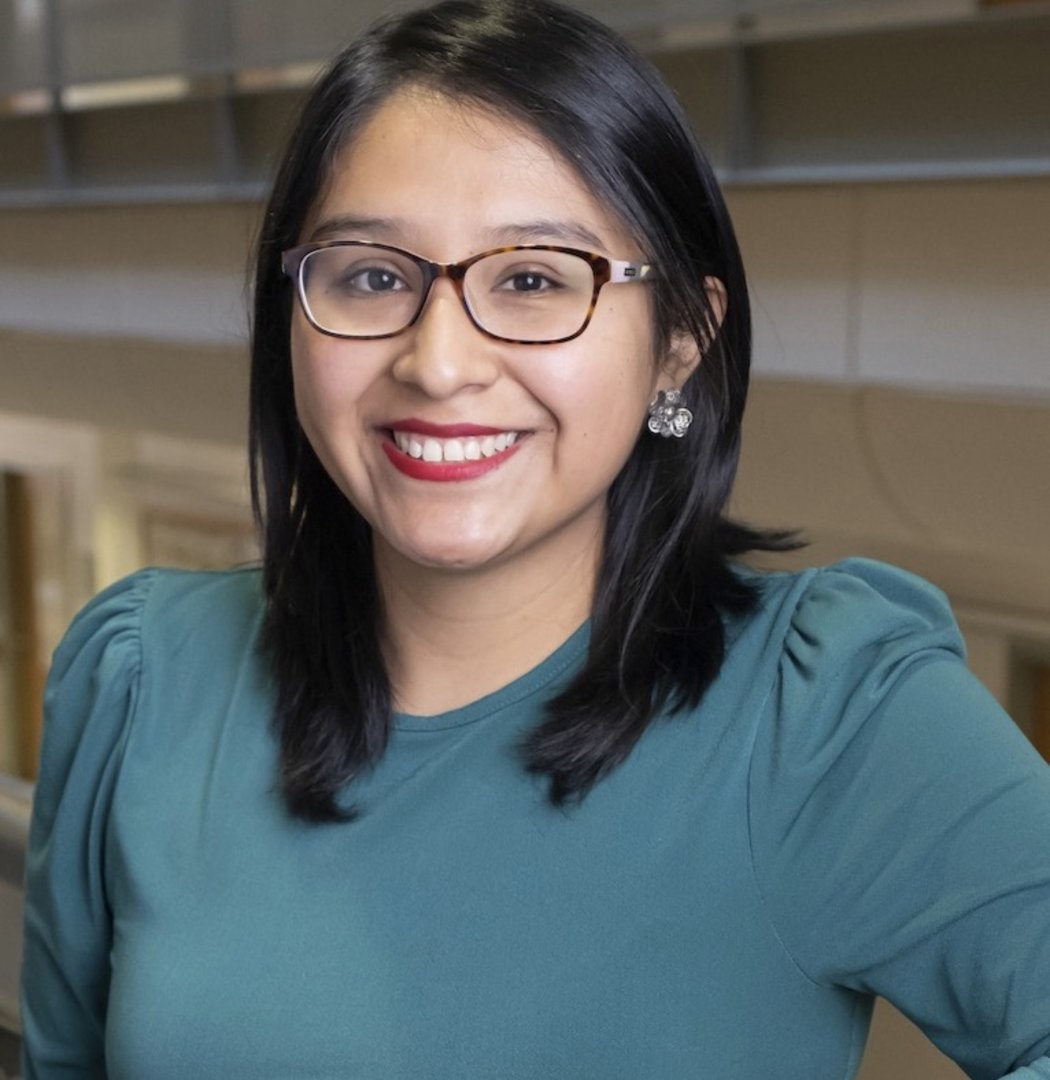
Dr. Ela Wendy Contreras-Panta, Scientist I, Wyss Institute for Biologically Inspired Engineering, Harvard University, USA and Emulate Inc.
PhD in Cell and Developmental Biology, Vanderbilt University, USA (2024)
BSc in Genetics and Biotechnology, Universidad Nacional Mayor de San Marcos, Peru
Research focus: Human-relevant in vitro models (organoids and organ-on-chip systems) for space biology and human health
Current work: NASA-funded AVATAR project (Artemis II), studying bone marrow responses to spaceflight
Expertise in 3D cell culture, microphysiological systems, single-cell RNA sequencing, and immune cell modeling
Doctoral research: Gastric organoid models of metaplasia and early carcinogenesis Publications in peer-reviewed journals including Cellular and Molecular Gastroenterology and Hepatology and Gastroenterology
Experience in interdisciplinary research across biology, bioengineering, and space-related applications
Research interest: Space radiation biology, its impact on human physiology, and how to mitigate spaceflight health risks.
Moran Declan (UK)
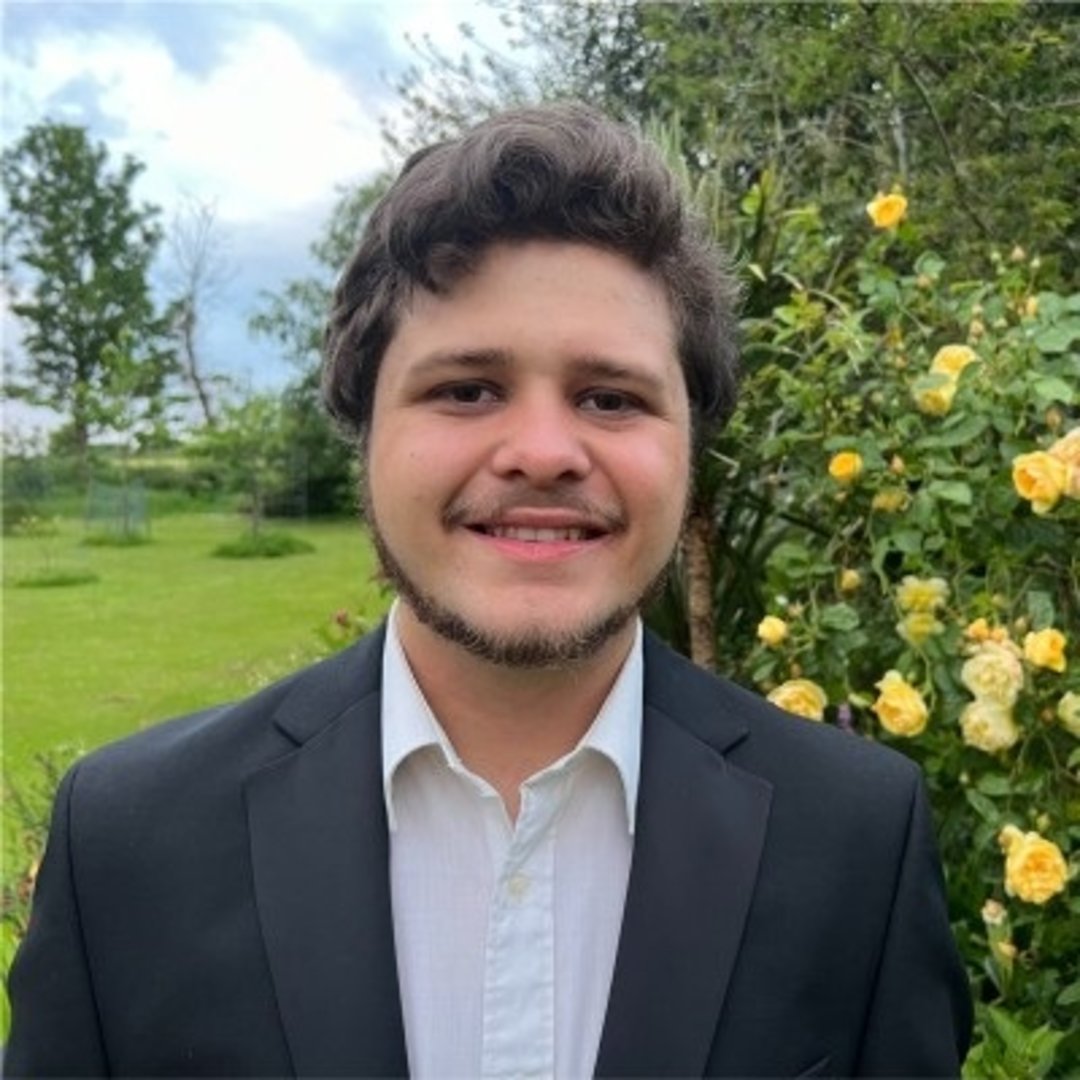
Declan Moran is a second year DPhil (PhD) student reading Cellular and Molecular Medicine at the University of Oxford. Based at the UK’s first and only Space Innovation Laboratory, his research centres around the harmful eƯects of microgravity on human biology, and pharmacological interventions to protect against this. To date, he has worked as a Mission Specialist on two ISS-bound launches for Oxford’s “Ageing in µG” mission: a first of its kind study aiming to characterise the biological age-driving eƯects of spaceflight at a molecular level. Declan previously graduated from King’s College London, obtaining a First class MSci in Biochemistry and an associateship of King’s College. His research there focussed on modelling muscular ageing in vitro, work which has since been presented both at the Royal Society and internationally.
Guillaume Gégo (The Netherlands)
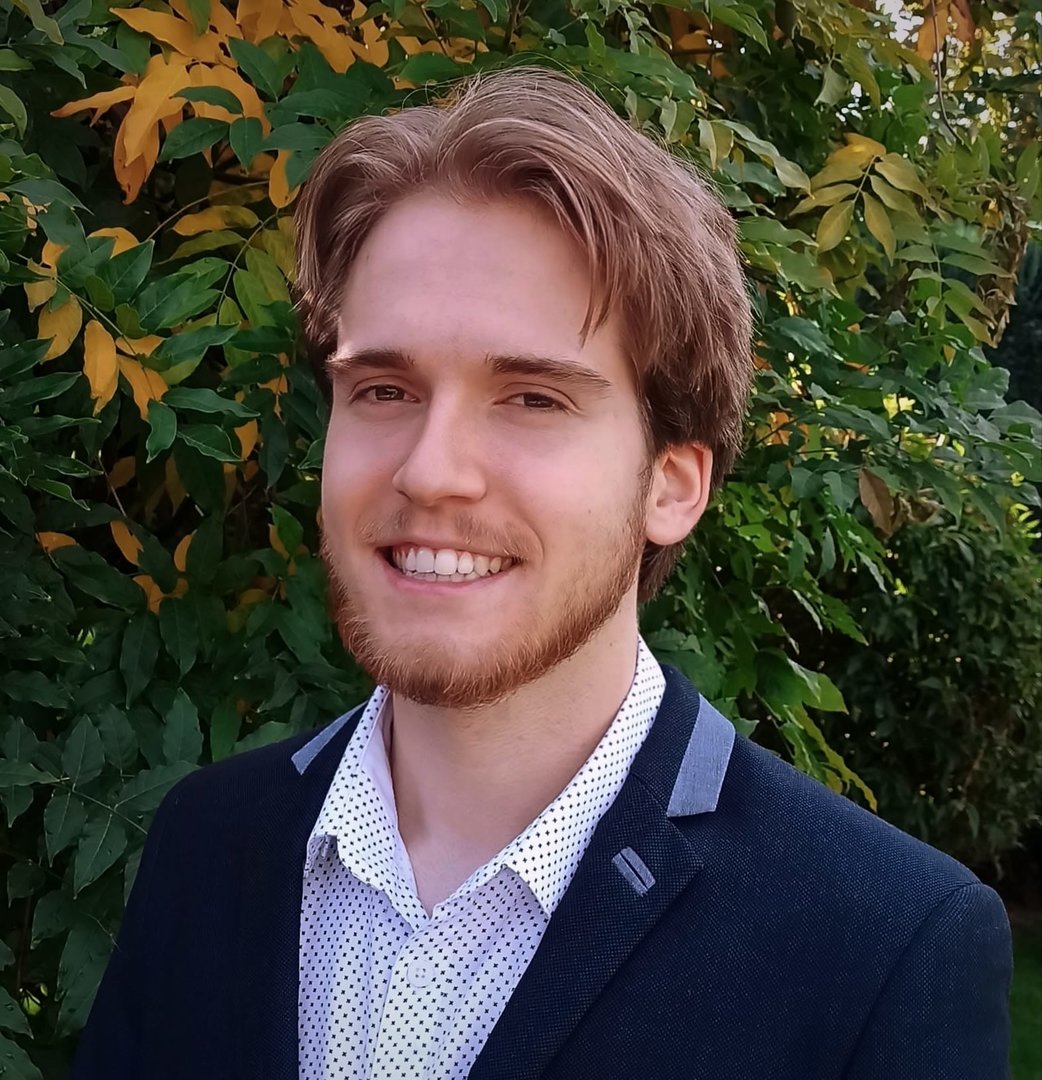
Guillaume Gégo holds a Master's degree in Biochemistry, Molecular and Cell Biology (University of Mons, UMONS, Belgium) and is expected to graduate from an Advanced Master's degree in Space Studies (Catholic University of Leuven, KU Leuven, Belgium) in September 2026. His training includes work on the design and operation of greenhouses (Astroplant), as well as low-cost purple non-sulphur bacteria (UMONS) and cyanobacteria photobioreactors (KU Leuven, Laboratory of Applied Space Microbiology (LASM), Center of Applied Space Technology and Microgravity (ZARM), Germany) for novel food production, carbon dioxide removal and in-situ resource utilisation (ISRU), developed within the framework of two master’s theses. These activities included deployment and operation of bioreactors in space analogue missions (Mars Desert Research Station (MDRS, US), Analog Astronaut Training Center (AATC, Poland), but also hands-on experience with packed-bed nitrification and ureolysis bioreactors during a six-month internship at the European Space Agency (ESA)'s Micro-Ecological Life Support System Alternative (MELiSSA) Pilot Plant. He recently completed a nine-month internship in radiation microbiology within the Human and Robotic Exploration - Human Science division (HRE-HS, ESA - European Space Research and Technology Centre (ESTEC), The Netherlands), where he conducted a review of the effects of radiation on microorganisms and the associated resistance mechanisms for their use in the context of space exploration. Starting in September 2026, he will work on determining the seed-to-seed effect of low-dose-rate lunar irradiation on selected crops’ yield and nutritional quality in the scope of the Lunar Agriculture Module – Ground Test Demonstrator (LAM-GTD) project of Canadensis, the Canadian (CSA) and German (DLR) space agencies at McGill University (Canada) , in collaboration with Delft University of Technology (TU Delft, The Netherlands) for the monitoring of radiative stress molecules using the Life Marker Chip, supported by HRE-S (ESA-ESTEC).
Shayleen Ghassemi (Canada)
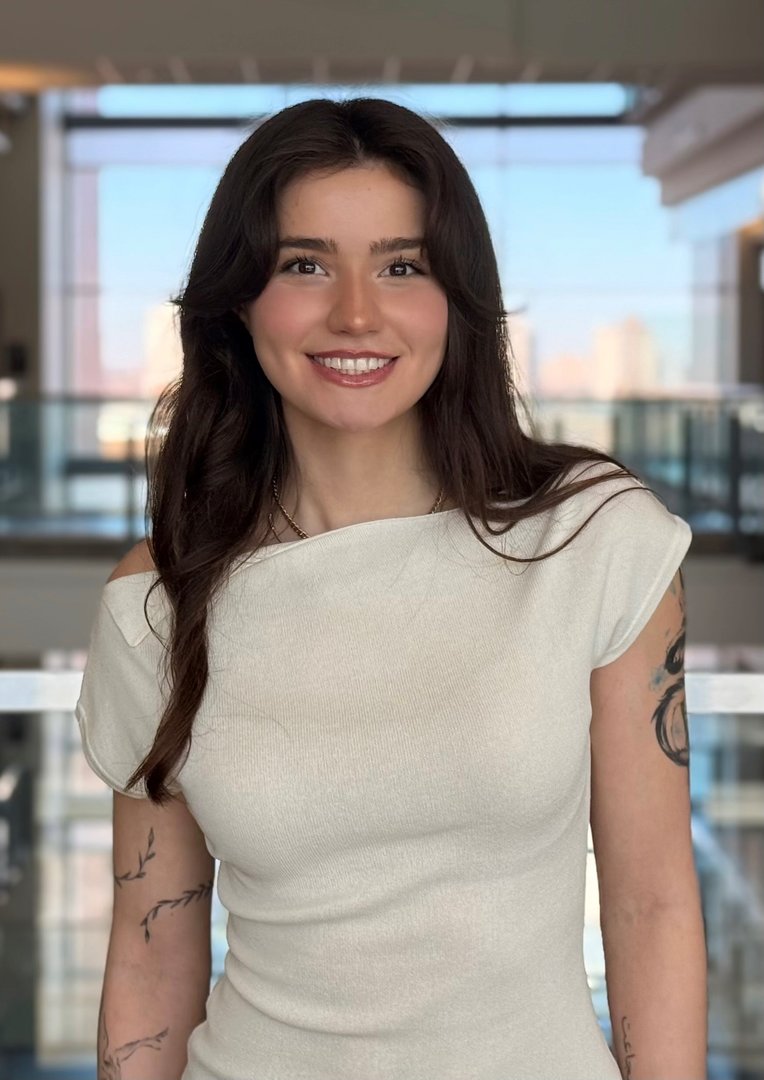
Shayleen Ghassemi is a first-year PhD student in Biological Sciences at the University of Alberta, Canada. Coming from a Neuroscience background in her bachelor’s degree, she has shifted her research to examine the effects of space conditions on the central nervous system using zebrafish as a model organism. She is primarily focusing on the effects of galactic cosmic radiation on the brain and uncovering the mechanisms underlying Spaceflight-Associated Neuro-ocular Syndrome. Since the start of her degree, she has won a national grant and a couple of institutional awards for continuing her project. Shayleen attended the Space Studies Program at the International Space University in South Korea and led the final presentation of the team project for an audience of over 200 people. Outside of research, Shayleen works as a part-time lifeguard.
Paulína Hromeková (Auditor) (Germany)
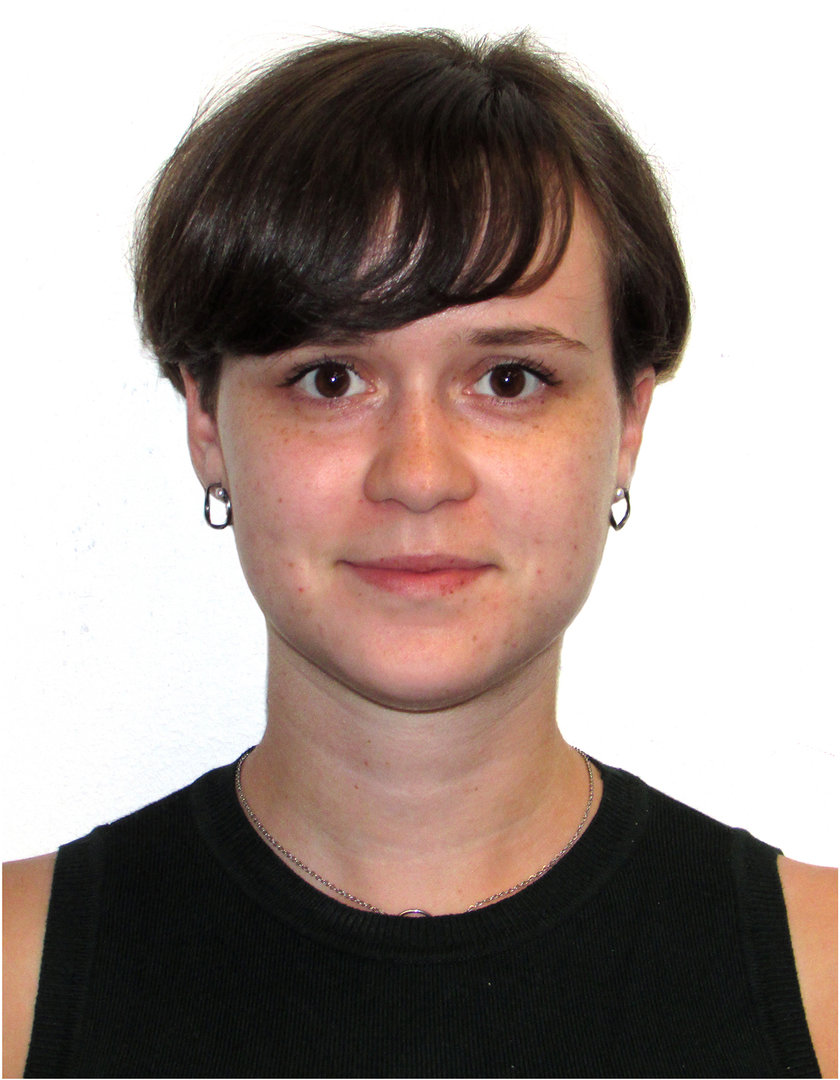
Hello my name is Paulína Hromeková and I have recently completed my Master’s degree in Radiation Biology at Technical University of Munich. My research focused on pancreatic cancer radioresistance using 3D tumor models and molecular analysis techniques. Through my research experience working in Prof. Dr. Schmid’s laboratory, I have gained practical skills in cell culture, microscopy, radiation response assays and animal handling. I have also worked with bioinformatic analysis of high-throughput datasets and participated in research projects in the field of oncology and neuroscience. I am particularly interested in translational cancer research and precision radiotherapy.
Josep Ivars Martínez (UK)
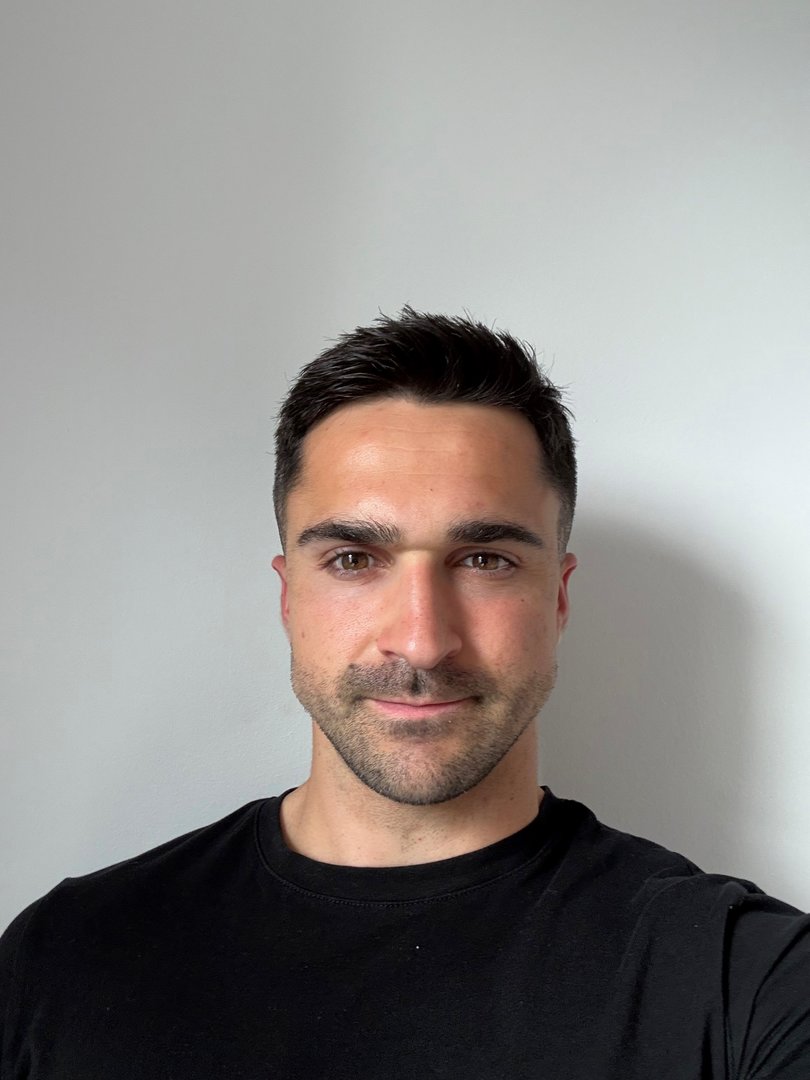
My name is Josep Ivars Martínez. I am an aerospace engineer specialising in aerospace vehicles. I hold a BSc in Aerospace Engineering from the Universitat Politècnica de València (UPV) - completing the Design, Build and Fly minor at Hogeschool van Amsterdam (HvA) as an Erasmus student — and an MSc in Aerospace Engineering from the Universitat Politècnica de Catalunya (UPC) — including a semester at Instituto Superior Técnico (IST) as an Erasmus student. I am currently pursuing the MSc in Human and Applied Physiology at King's College London (KCL) to bridge aerospace engineering and physiology/medicine.
My research experience so far includes a funded short-term scholar position at the Bioastronautics Laboratory of the University of Colorado Boulder, where I designed wearable sensor systems for physical performance monitoring for long-duration space missions, focusing on textile-integrated ECG electrodes. I also participated in the Space Studies Program 2023 (SSP23) of the International Space University (ISU).
I am particularly interested in space habitat and spacesuit design, and aerospace countermeasures for preserving astronaut health pre-, during, and post-mission.
Leon Kaysan (Auditor) (Germany)
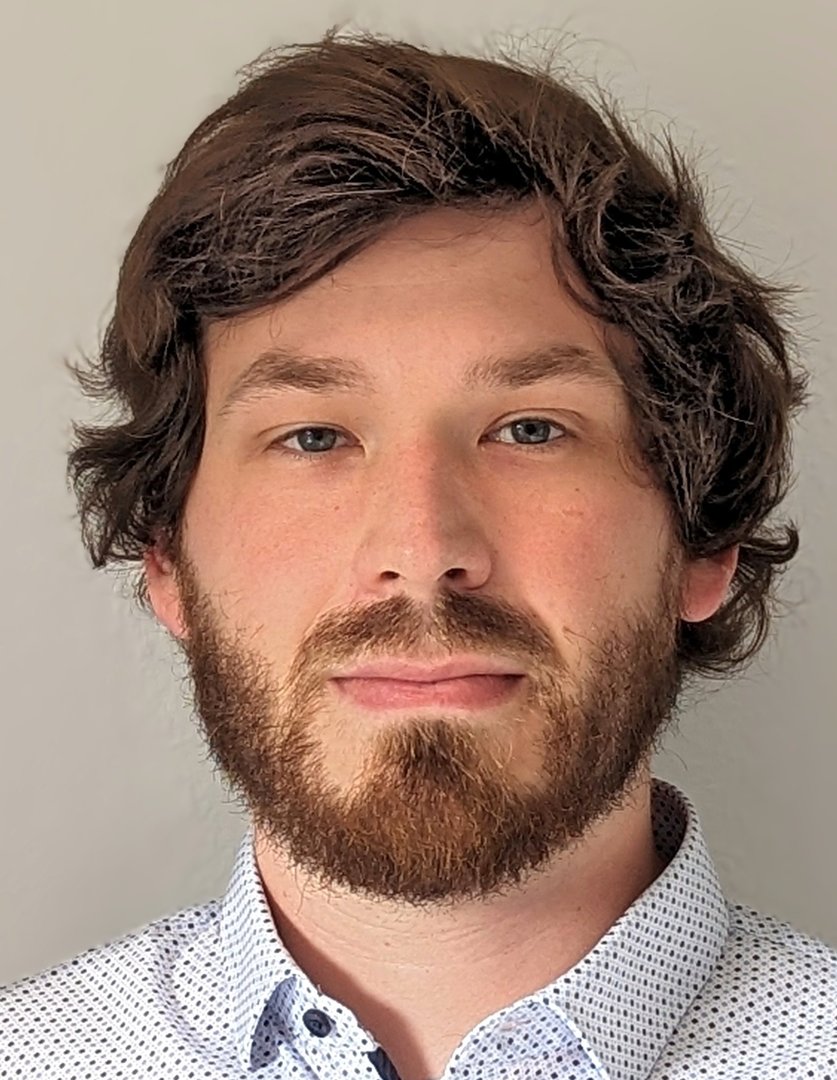
My research investigates the effects of ionizing radiation on the human brain using brain-region-specific organoids. I earned both my Master's and Bachelor's degrees in Biotechnical Chemistry from the TU Ilmenau, with a specialization in advanced tissue engineering and in-vitro organ models. Earlier in my research career, I contributed to the generation of vascularized liver spheroids at the TU Darmstadt and explored nano-biosystem applications at the TU Ilmenau. Beyond the bench, I supervised multiple Master's and Bachelor's theses, mentored undergraduate and graduate students, and designed practical courses in developmental biology. I also extended my scientific engagement through "Friday Science Bites," a podcast I co-founded that features interviews with early-career researchers, and I participated in interdisciplinary training through the Graduate School Life-Science Engineering.
Urszula Ławrynowicz (Poland)
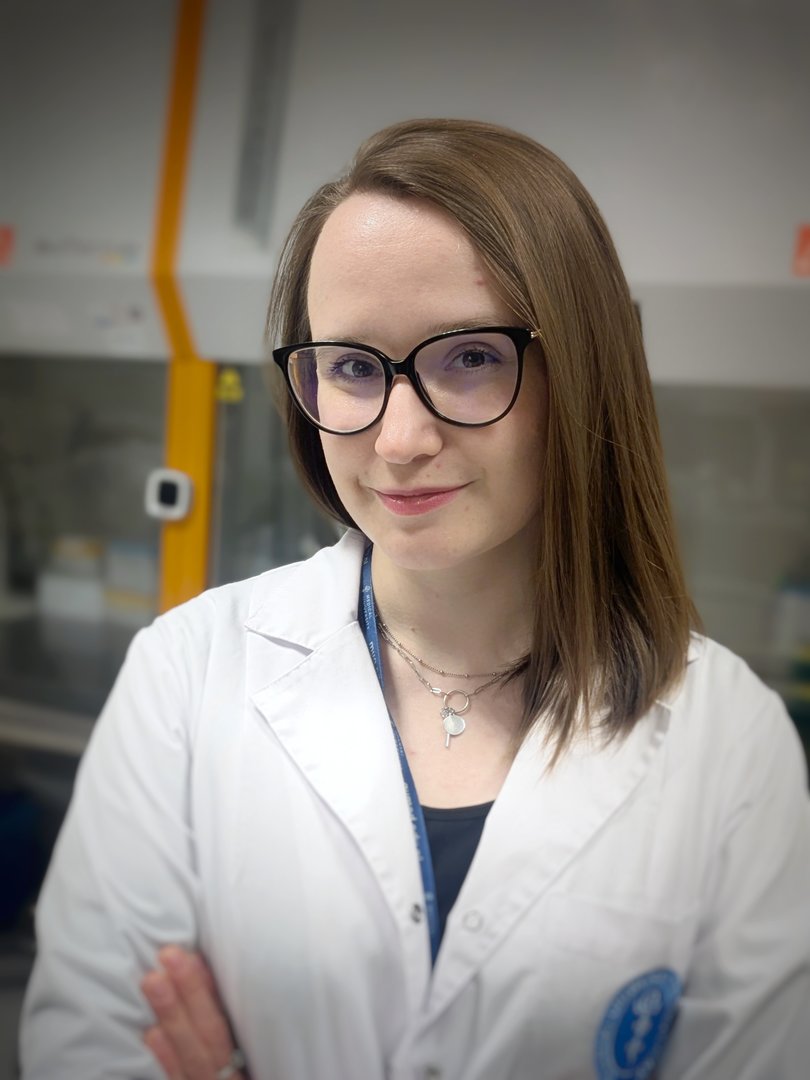
My name is Urszula Ławrynowicz and I am a postdoctoral researcher and assistant professor at the Medical University of Gdańsk, Poland. My research focuses on understanding cellular responses to ionizing radiation and translating these findings into minimally invasive strategies for monitoring human health under constrained conditions.
I work on liquid biopsy approaches and radiation response biomarkers using human-derived material, including peripheral blood mononuclear cells and hematopoietic stem and progenitor cells. I also use advanced in vitro systems, including organoid models, to study radiation-induced changes in a more physiologically relevant context. My work includes research on epigenetic regulation, chromatin organization, and transcriptomic responses associated with radiation exposure.
In parallel to my research activities, I am a co-founder and board member of the Polish Astromedical Association. I also supervise the student research group in space medicine, supporting students and PhD candidates interested in space-oriented biomedical research.
Craig Lindsay (UK)
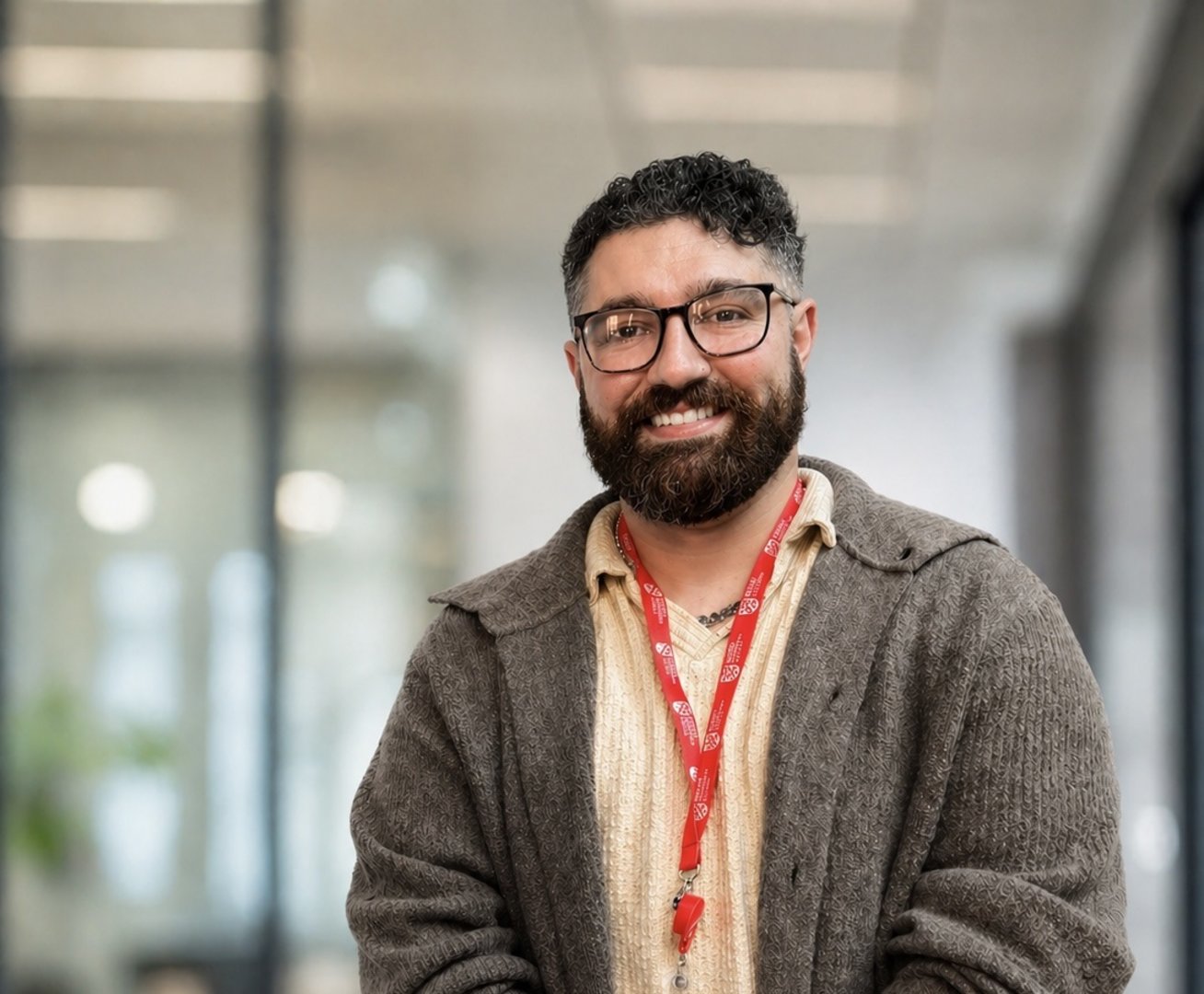
Craig Lindsay is a medical biologist, undertaking a PhD in radiobiology at Queen’s University Belfast in collaboration with UK Health Security Agency. He holds an MSc in Biomedical Science from Ulster University, which incorporated a year's research at Indiana University–Purdue University Indianapolis focusing on stem cell biology. He subsequently worked as a clinical scientist in clinical and national COVID laboratories, developing research experience spanning translational research, clinical diagnostics, and advanced radiation biology.
Craig's PhD research focuses on understanding, predicting, and modifying radiation responses in normal tissues to improve radiotherapy outcomes, protect healthy tissue, and advance radiation protection strategies. He is highly motivated to apply his skills in molecular biology, proteomics, clonogenic assays, and quality-regulated clinical research to aid in the development of innovative approaches to human radiation risk.
Murray Mackay (UK)
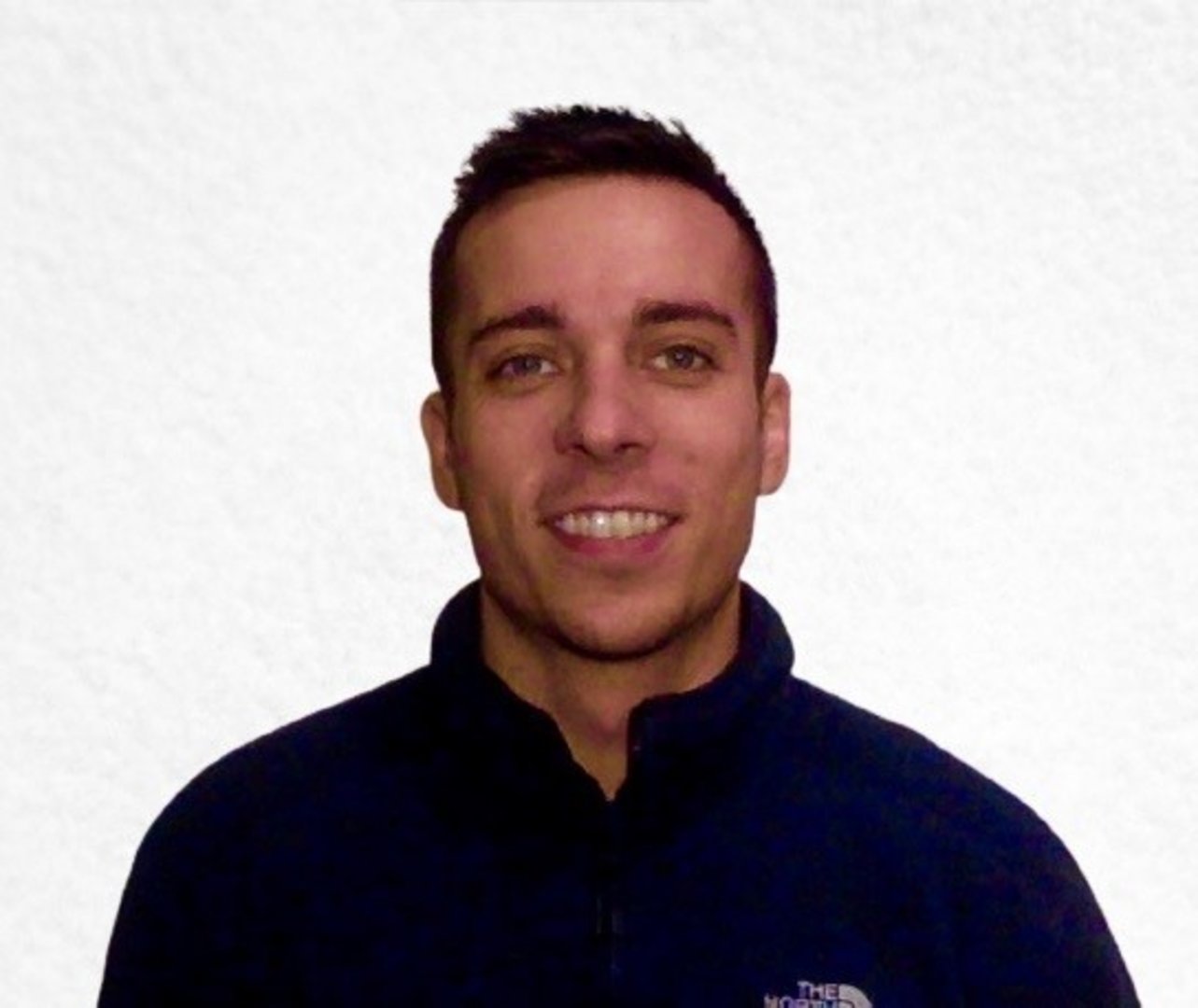
I spent my formative years at the University of Aberdeen where I achieved a First- Class Honours degree in Neuroscience With Psychology. I then continued my studies at the University of Glasgow where I achieved a MBChB
Medicine and Surgery. During medical school I was able to complete an internship with the European Space Agency’s (ESA) Space Medicine team to research the effects of space radiation on the human body. I was fortunate enough to complete ESA’s Space Physician Training Programme and my team achieved first place in the EAC2030 project. During my time in Glasgow I joined the University of Glasgow and Strathclyde Air Squadron where I was able to complete a commissioned role as an Acting Pilot Officer within the Royal Air Force. I have since worked as part of space medical teams for private space companies such as Blue Abyss. More recently I took on the role as expert reviewer for the UK Space Agency (UKSA)
and I was provided a sponsorship by UKSA to attend the International Space University’s Space Studies program hosted by NASA and Rice University. Currently I work with a company called Amentum as a Human Factors Engineer where most of my time is spent working across industries such as space, defence and nuclear energy production. In my spare time I like to remain active and explore new places. Most recently I completed some winter mountaineering the Cairngorms national park and I achieved a PADI Dive Master qualification.
Emiliana Piscitiello (Auditor) (Germany/Italy)
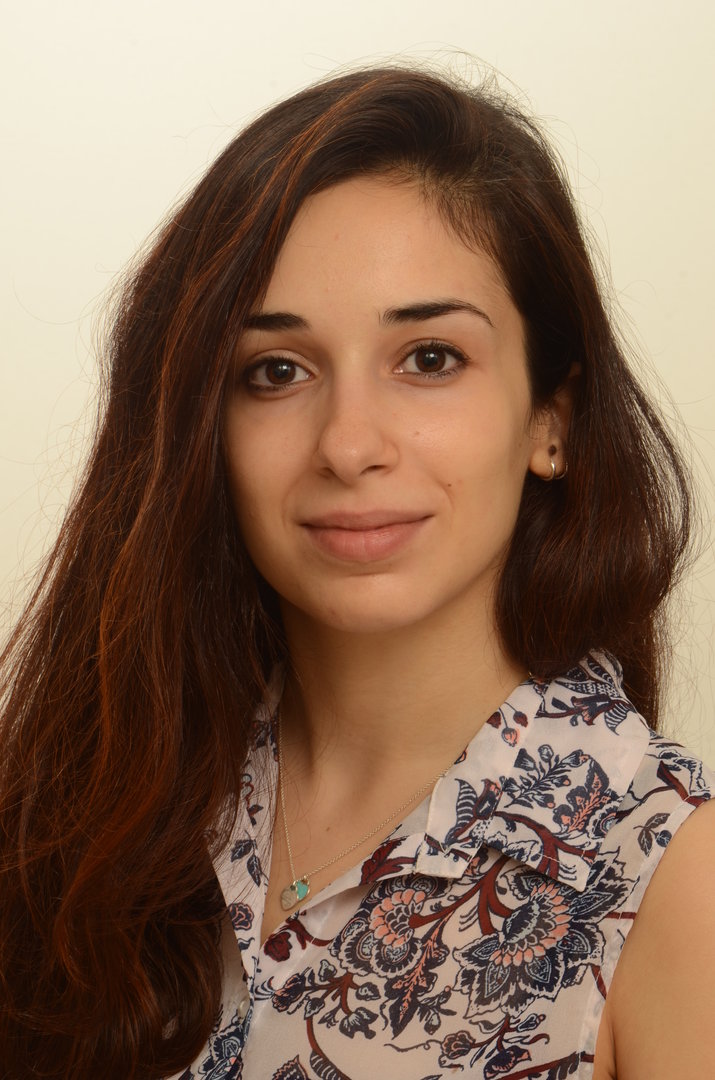
Dr. Emiliana Piscitiello is an Italian biologist and postdoctoral researcher jointly affiliated with the University of Bologna (Italy) and the GSI Helmholtz Centre for Heavy Ion Research (Darmstadt, Germany). She holds a Master's degree in Medical Biotechnology from the University of Bologna, where she first encountered hibernation research, a topic that has since defined her scientific trajectory. During her PhD in Biomedical and Neuromotor Sciences, she investigated natural and synthetic torpor, focusing on their physiological adaptations and potential radioprotective properties. Building on this, her current postdoctoral projects apply hibernation physiology to radiobiology, exploring synthetic torpor as a biological countermeasure against radiation-induced damage, with translational implications in both space medicine and oncology.
Tetiana Pittsyk (Germany)
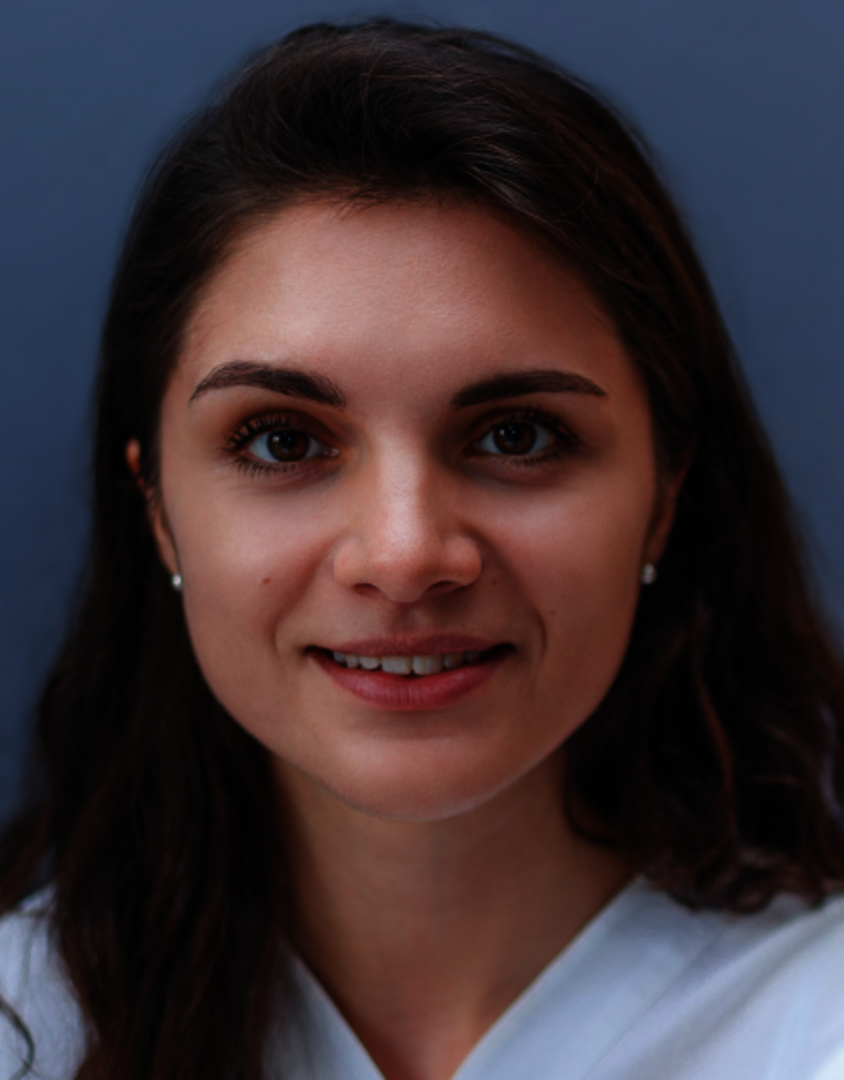
09/2012 – 06/2018 Bachelor’s studies in Mechanical Engineering at the NTUU “KPI”, Kyiv, Ukraine
10/2016 – 05/2018 Master’s studies in Mechanical Engineering at the Otto-von-Guericke-Universität, Magdeburg, Germany; Specialisation: Product Development and Engineering Design
08/2018 – 11/2020 Development Engineer at FAM GmbH, Magdeburg
10/2021 – 2026 Master’s studies in Aerospace Engineering at TU Braunschweig
06/2023 – today Research associate at the Institute of Mechanics and Adaptronics, TU Braunschweig; Relevant project: Space radiation shielding concepts using functional light composite materials and structures
Elisa Sánchez Martínez (SPAIN)
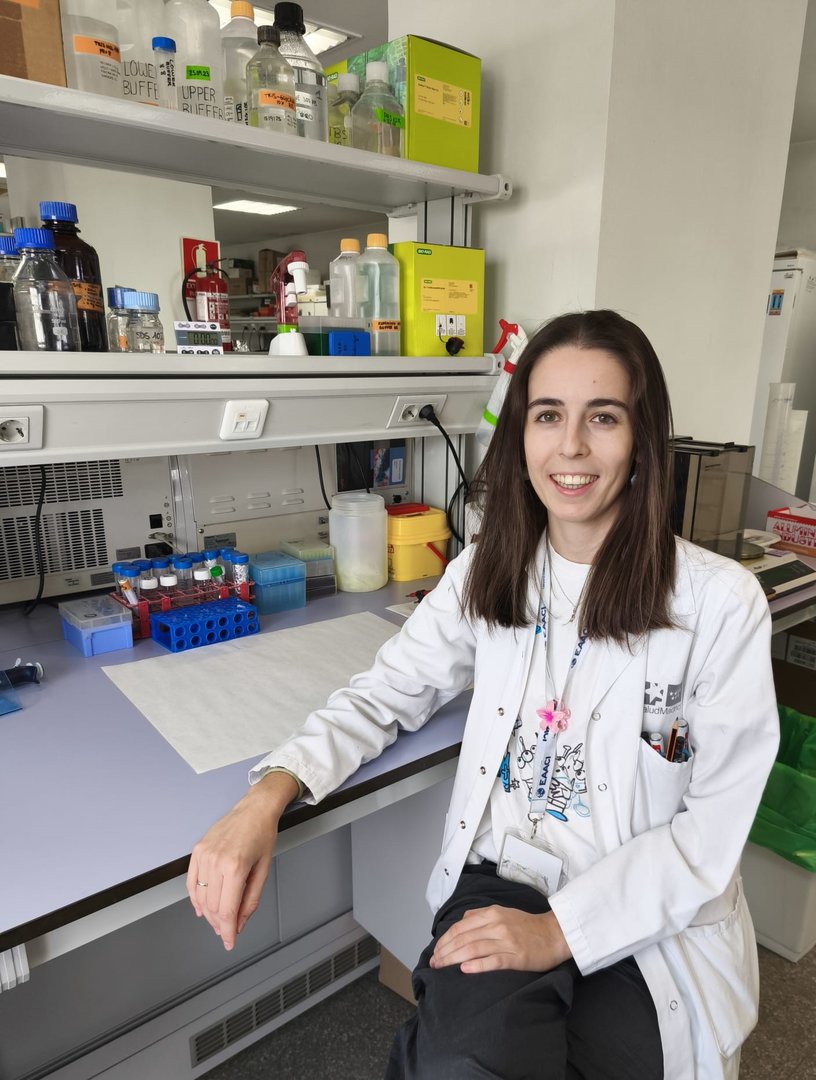
My name is Elisa Sánchez Martínez, and I am a biologist specializing in immunology. I hold a B.Sc. in Biology and an M.Sc. in Immunology Research from the Complutense University of Madrid.
I am currently a PhD candidate at the “La Princesa” University Hospital Health Research Institute in Madrid, Spain, where my research focuses on elucidating the role of the microbiota in Th2 immune responses. Through my academic and research training, I have acquired hands-on experience in molecular biology techniques, proteomics, mammalian and bacterial cell culture, animal models, and flow cytometry.
I have a long-standing interest in exploring the impact of the space environment on human physiology, particularly how factors such as space radiation may influence the interactions between the microbiome and the immune system during long-duration and deep-space missions.
Arijit Sengupta (Germany)
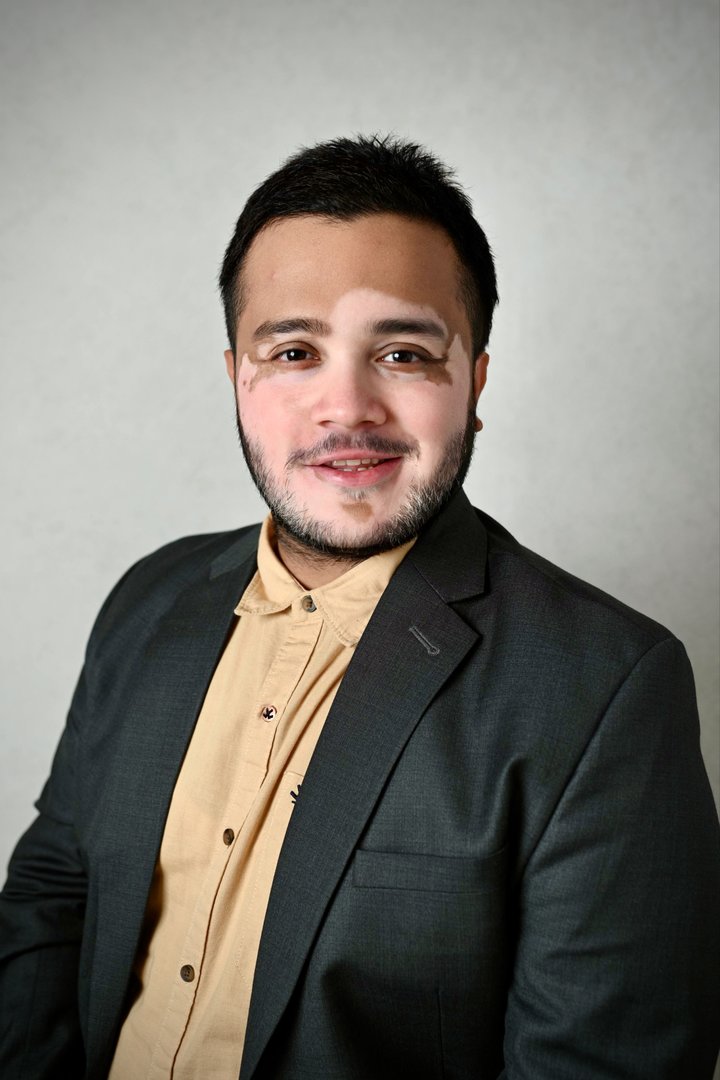
Dr. Arijit Sengupta is a postdoctoral research fellow and semiconductor specialist dedicated to enhancing the reliability of power electronics for the future of sustainable aviation and space exploration. He holds a Ph.D. from Vanderbilt University, where he focused on the behavior of wide bandgap (SiC/GaN) power devices in extreme radiation environments. His research bridges the gap between semiconductor device physics and the practical requirements of high-reliability mission architecture.
He has contributed to international space initiatives as an alumnus of the NASA JPL Planetary Science Summer School and the NASA L’SPACE Academy, where he gained expertise in mission operations and lunar surface innovation. Currently, he is a research fellow at the German Aerospace Center (DLR), where he has been selected to lead a multi-institute project aimed at assessing the radiation effects on power electronic components for future electric aircraft. His mission is to advance high-performance, resilient power systems that support both the electrification of flight on Earth and the technical demands of deep-space exploration.
Naël Soilen (Auditor) (Germany/France)
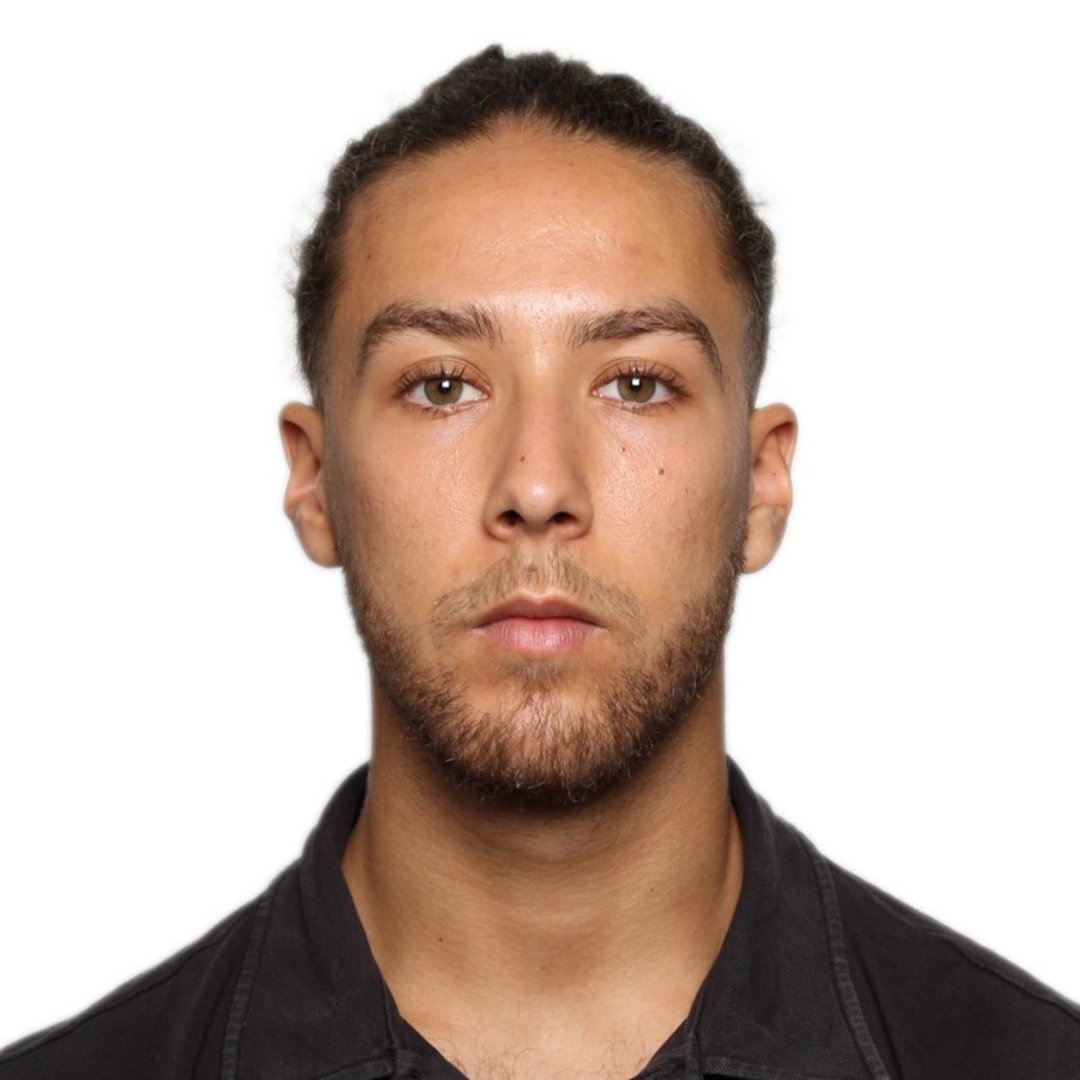
I am a graduate Master’s student in Aerospace Engineering at ISAE-SUPAERO, with prior academic experience as a visiting student at UC Berkeley. My research lies at the intersection of human physiology, cognitive science, and AI for extreme space environments. I recently collaborated with the French Space Agency (CNES) and MEDES to design experimental protocols evaluating autonomous medical procedures for deep-space missions. Currently, I am developing an AI-driven computer vision framework to automate the assessment of surgical skills in microgravity contexts. As the founder of the Cognitive & Space Medicine Society at ISAE-SUPAERO, my ultimate ambition is to pursue a PhD in space radiobiology, specifically investigating the neurocognitive impacts of cosmic radiation (including HZE ions) and the combined effects of radiation and microgravity on the central nervous system.
Alexandra Waldherr (Germany)

Alexandra Waldherr studied chemical engineering during high-school, and continued with studies in BSc. Medicinal Chemistry, BSc. Molecular Medicine and MSc. Drug Development and Regulatory Affairs. She focusses on structural biology and elucidating molecular structures and damage pathways using high-energy irradiation. In previous research, she spent multiple months at the ESRF European Synchrotron beamlines (FR). At current, she is a doctorate student at the Max Planck Institute for Biology. Her previous work includes radioprotection at ESA in the Space Medicine team (DE), gas phase explosion tests at BASF (DE), position as Stanford fellow for quantum hardware, simulation and education (US), and an internship at CERN NA62 (CH).