


“Young Physicists@Darmstadt”: GSI/FAIR and the Department of Physics at TU Darmstadt launch new project to support young talent

16.10.2026 |
Experience science up close: GSI/FAIR and the Department of Physics at TU Darmstadt have launched a new collaborative project titled “Young Physicists@Darmstadt” to specifically support young talent. Shortly before the autumn holidays, physics-enthusiastic students in grades 9 through 11 from the region had the opportunity to immerse themselves in the day-to-day research work of physicists.
The “Young Physicists@Darmstadt” project days, being held for the first time, are an intensive, multi-day program for mixed-grade school groups and are organized in cooperation between GSI/FAIR, the Physics Education Working Group, and the Physics Student Lab at TU Darmstadt. This exciting format is aimed in particular at young people interested in the natural sciences. Starting with the central question, “Where do the chemical elements come from?” students learn more about nuclear and astrophysics and gain in-depth, authentic insights into the work at a major research center. The project is based on a concept developed and scientifically evaluated by Dr. Moritz Kriegel, Educational Outreach Officer at GSI/FAIR, as part of his doctoral research.
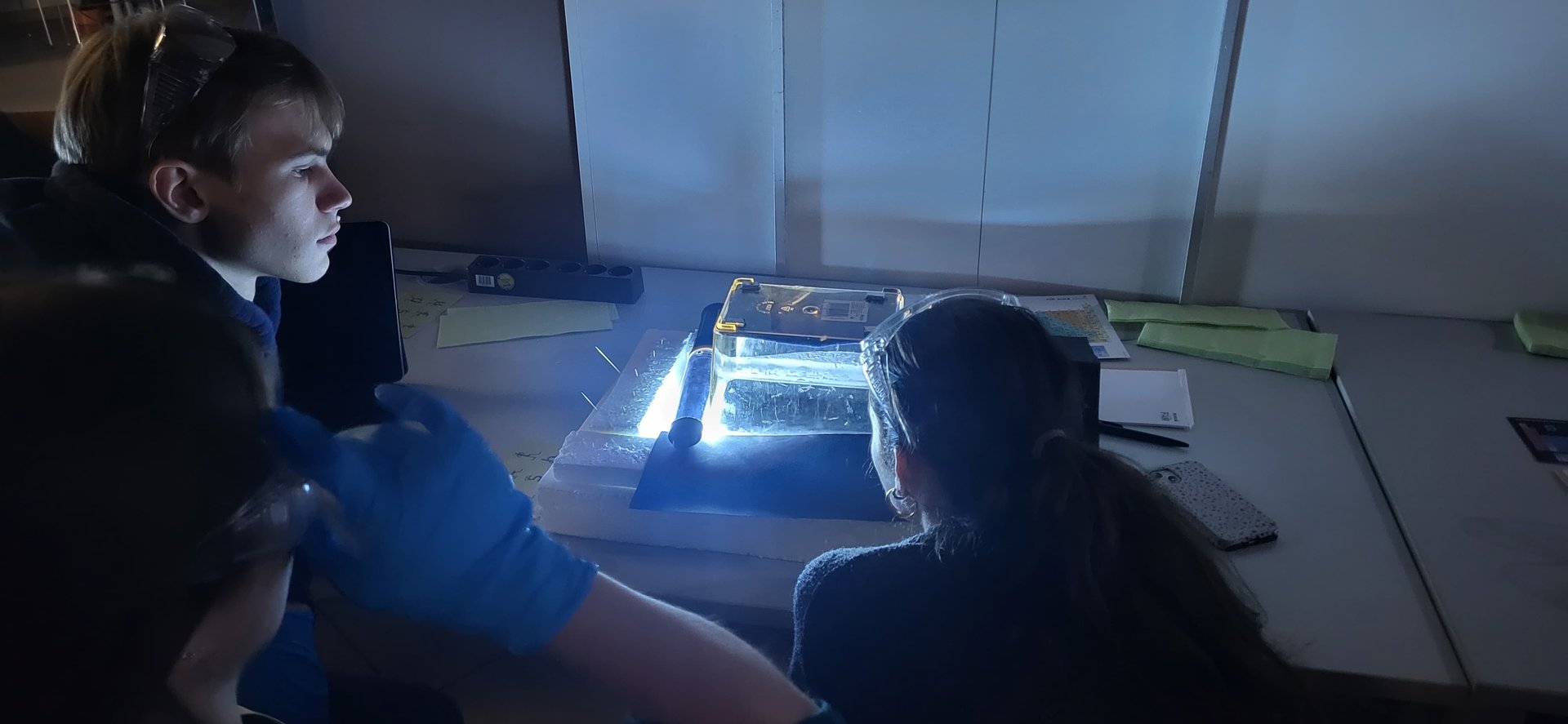
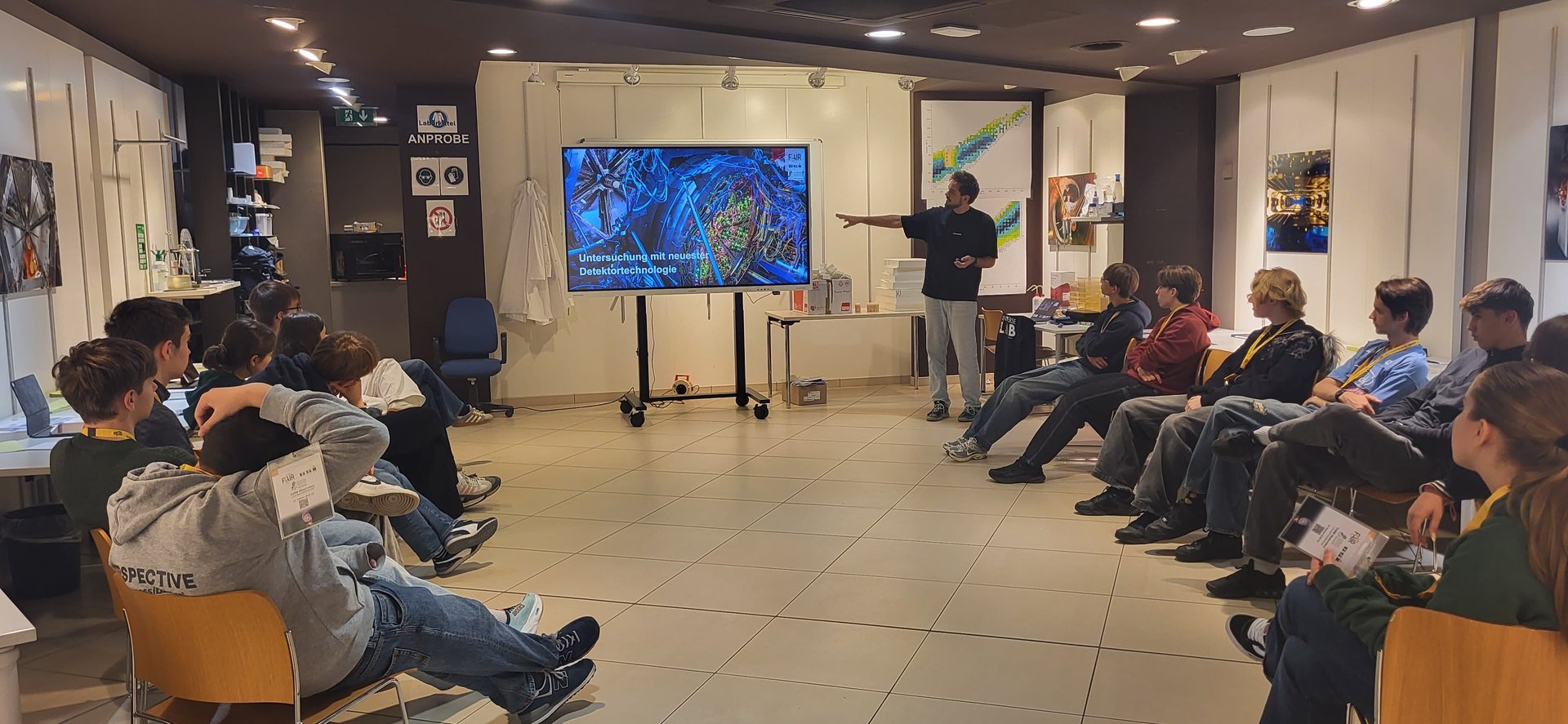
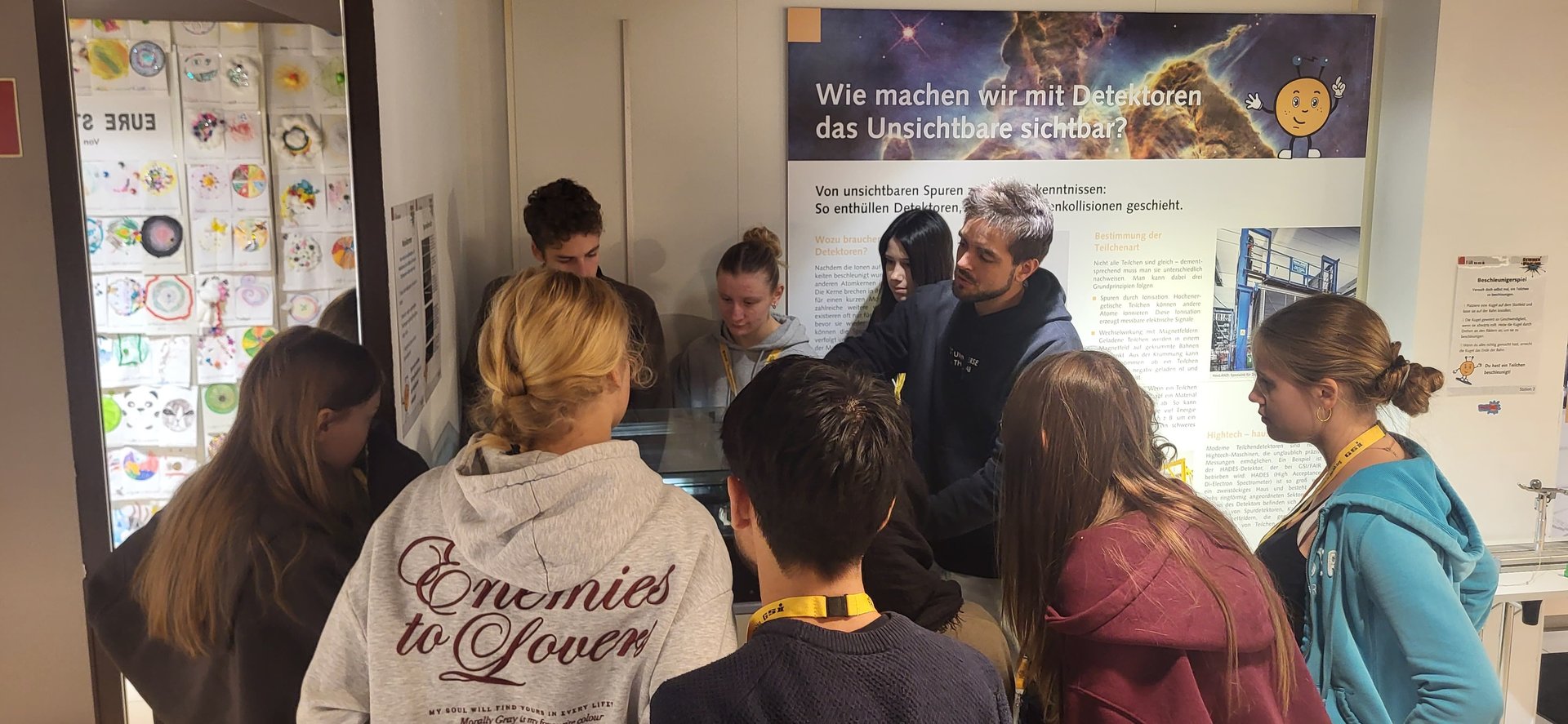
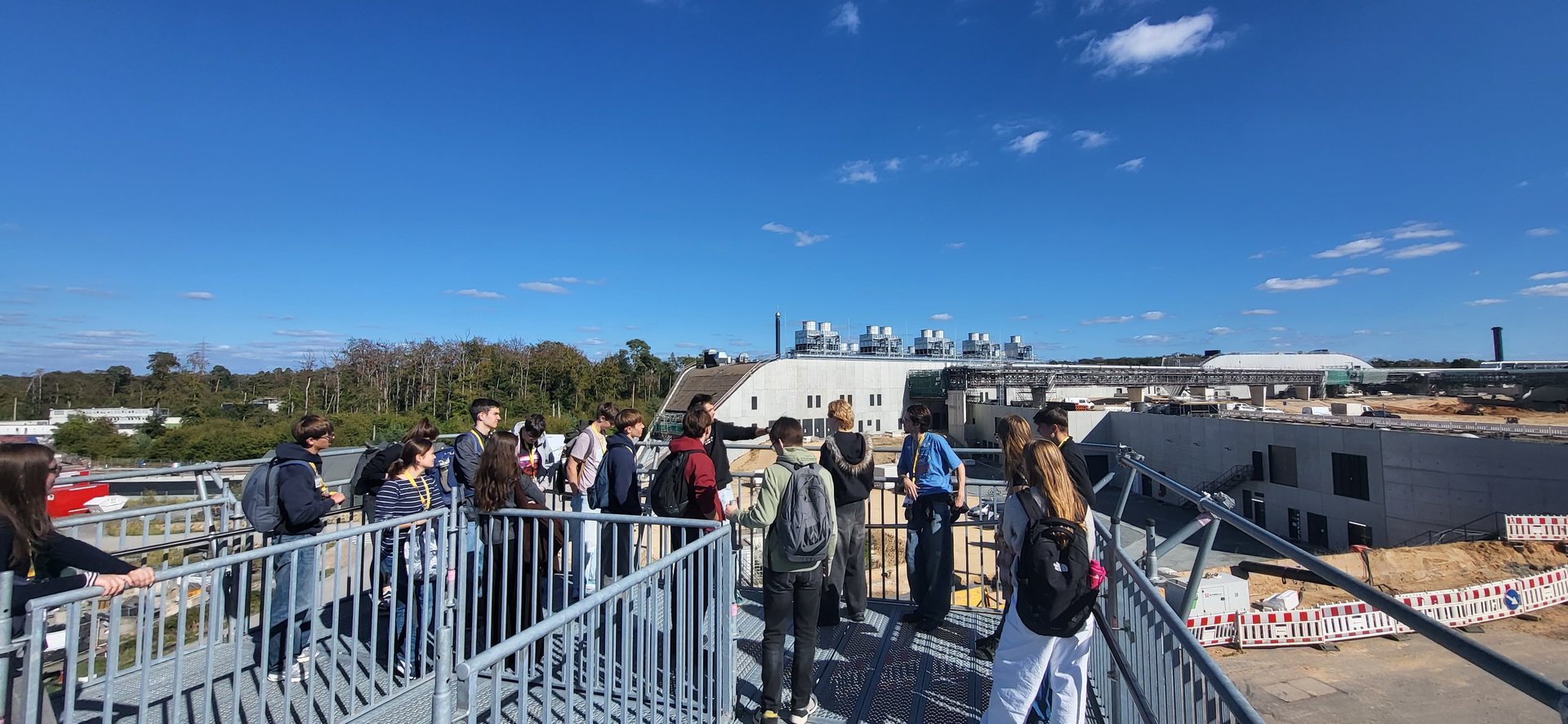
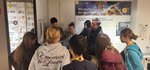
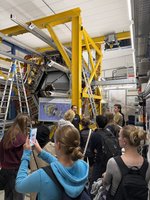
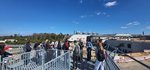
A total of 66 students from schools in Darmstadt, Dreieich, Bensheim, and Seligenstadt had the opportunity to take a look behind the scenes of science during the first project days held in late September. On the first day, GSI/FAIR was the focus of the program; on the second day, it was the Department of Physics at TU Darmstadt. At the SCIENCE POP-UP, GSI/FAIR’s hands-on space in downtown Darmstadt, the “Young Physicists” were able to creatively explore the work of physicists. After a mini-lecture on nuclear physics, they got to try their hands at analyzing particle tracks in self-built cloud chambers to investigate nuclear decay processes. In the afternoon, the students took a guided tour of the GSI/FAIR campus, allowing them to directly apply what they had just learned to the research being conducted at the accelerator facilities and in the laboratories.
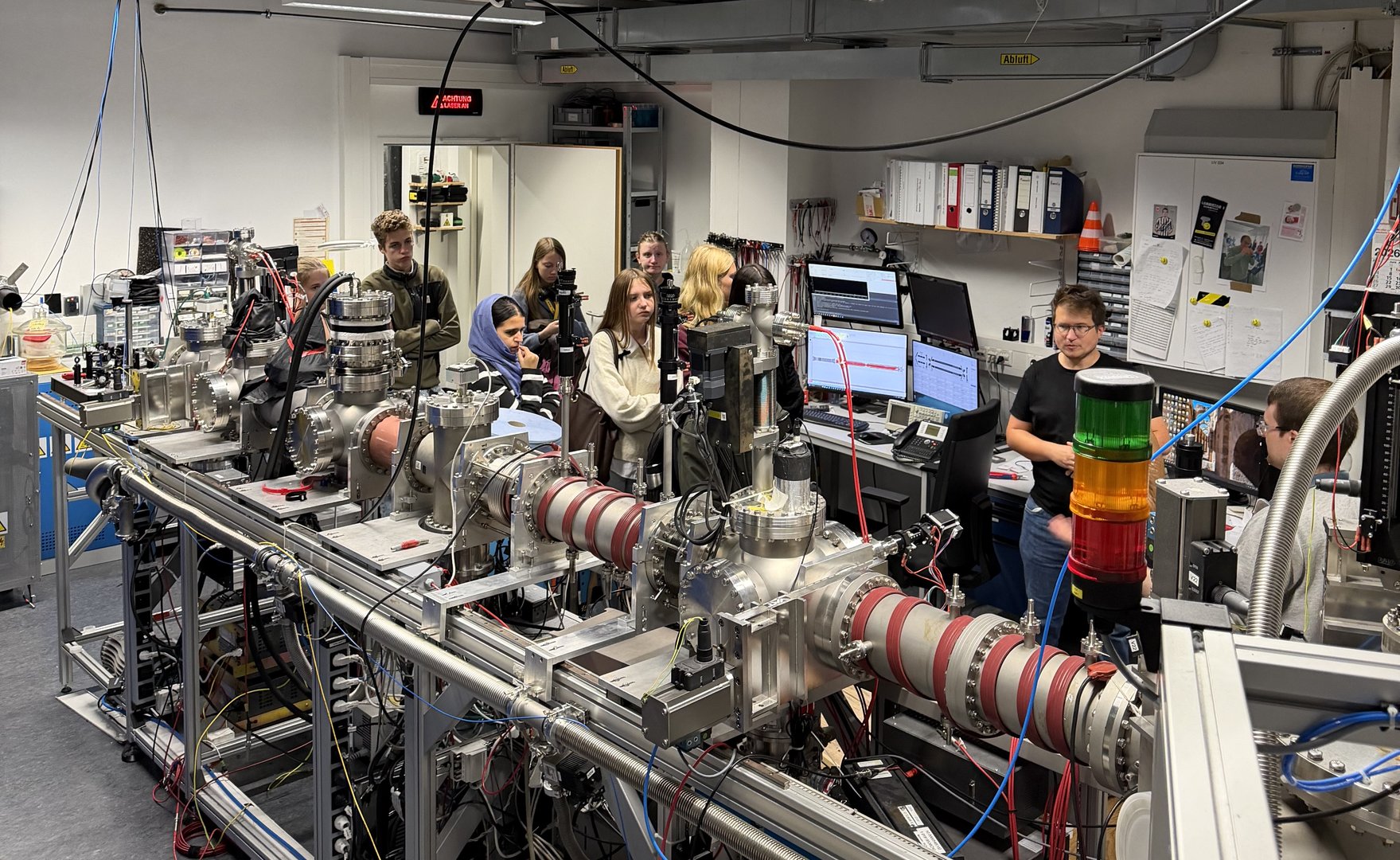
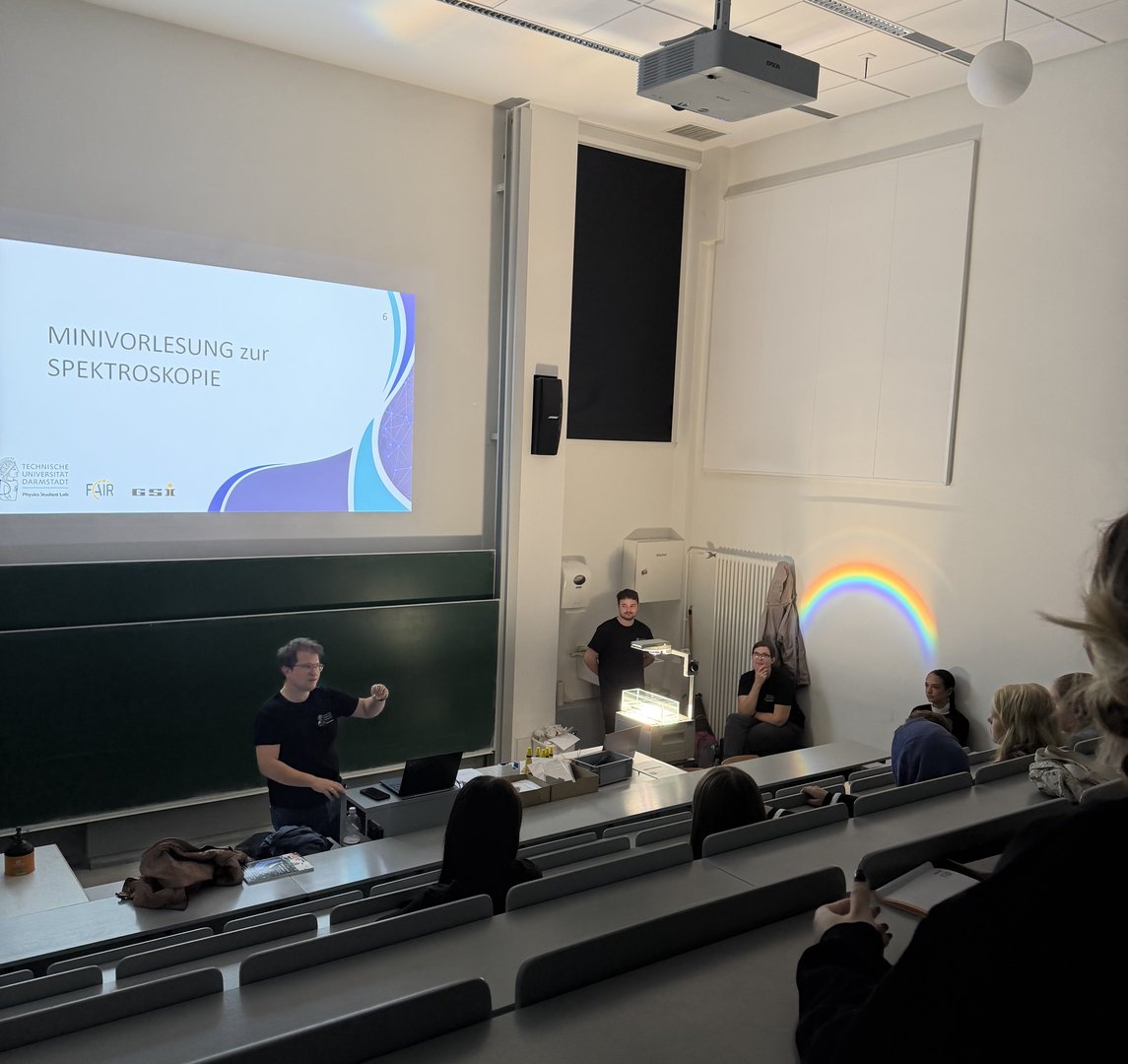
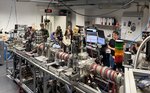
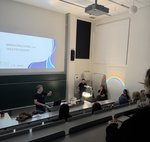
On day two, the program continued at TU Darmstadt. A mini-lecture explained how electromagnetic spectra can be used to draw conclusions about atoms and nuclei. The students then got hands-on experience using homemade handheld spectroscopes. They were able to examine different light sources through spectral analysis, which helped them understand their structure. Afterward, the students were given a tour of the KOALA laboratory at TU Darmstadt, which, as an isotopic shift analysis lab, provided an opportunity to revisit and connect the topics covered over the two days. A live star observation session with the TURM observatories at TU Darmstadt was the highlight and conclusion of the project days for all four groups. (BP)


