


Important contribution by GSI/FAIR to the Artemis II Moon mission — Successful test of a space camera under cosmic ray conditions
20.04.2026 |
The GSI Helmholtzzentrum für Schwerionenforschung and the international accelerator facility FAIR have made an important contribution to the success of the Artemis II Moon mission. A camera specially developed for use in space was successfully tested in advance under realistic conditions at the GSI and FAIR particle accelerator.
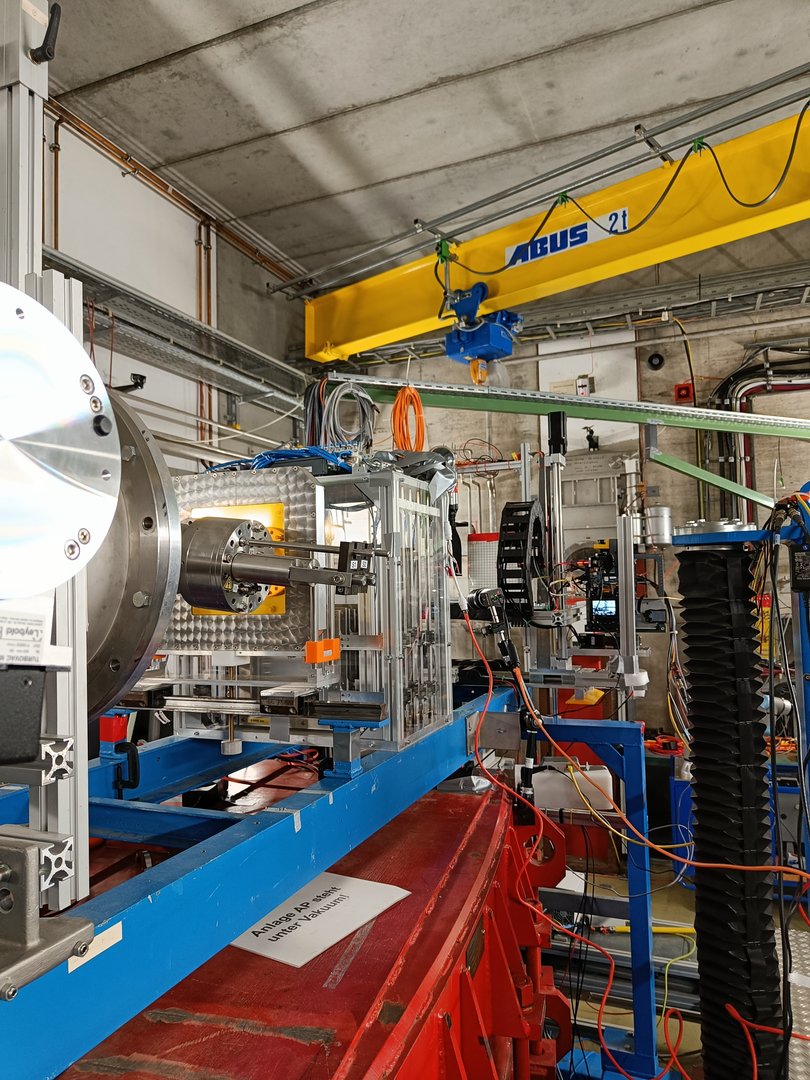
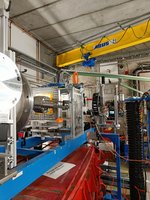
The camera — a specially modified model of the Nikon Z9 — was subjected to extensive radiation testing by NASA at the GSI/FAIR particle accelerator in March 2025. During these tests, it was exposed to high-energy heavy ions that simulates cosmic conditions in space. The goal was to ensure the system’s functionality and reliability under extreme conditions. The results confirmed that the camera operates stably and reliably even under intense radiation exposure, making it suitable for use in lunar missions.
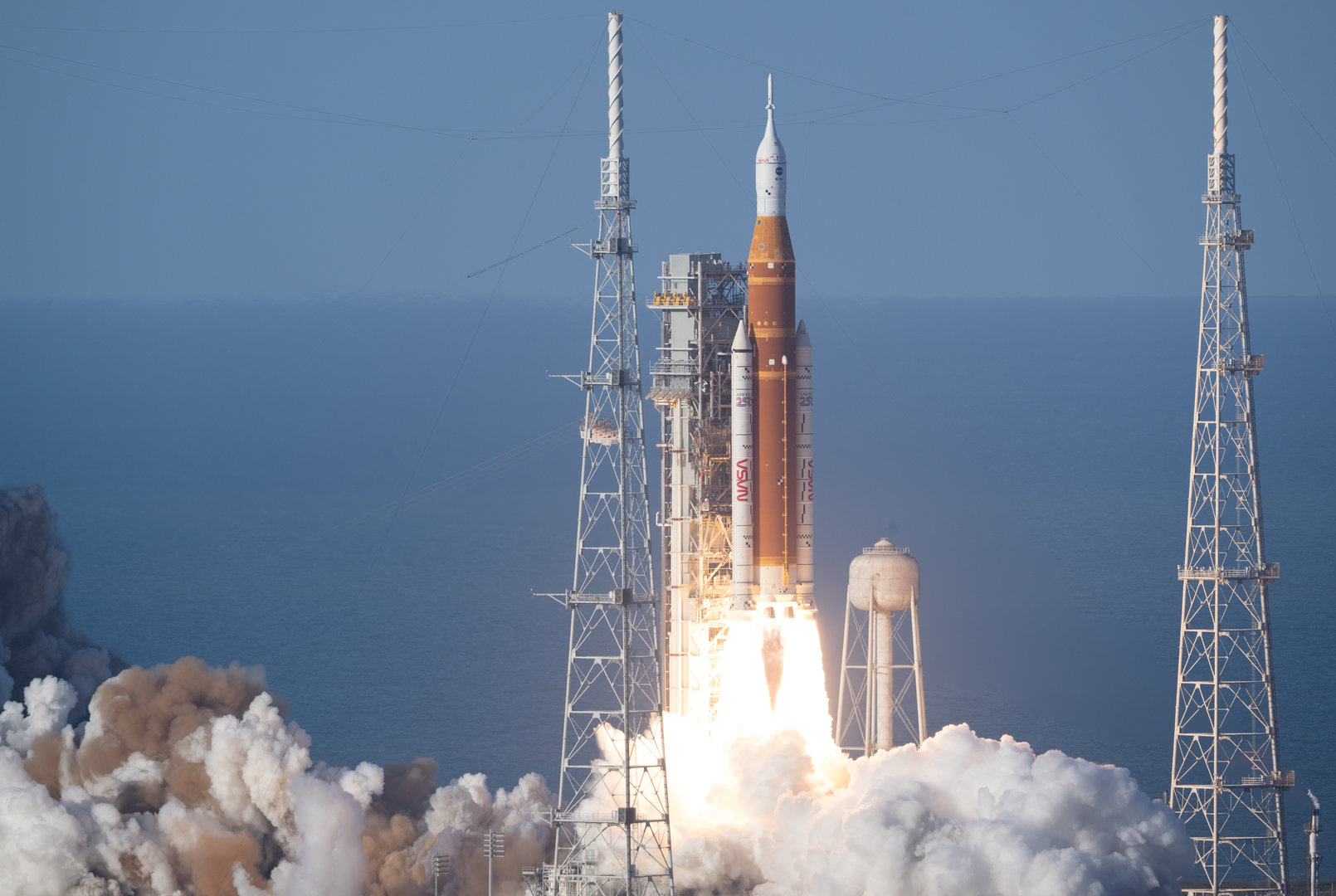
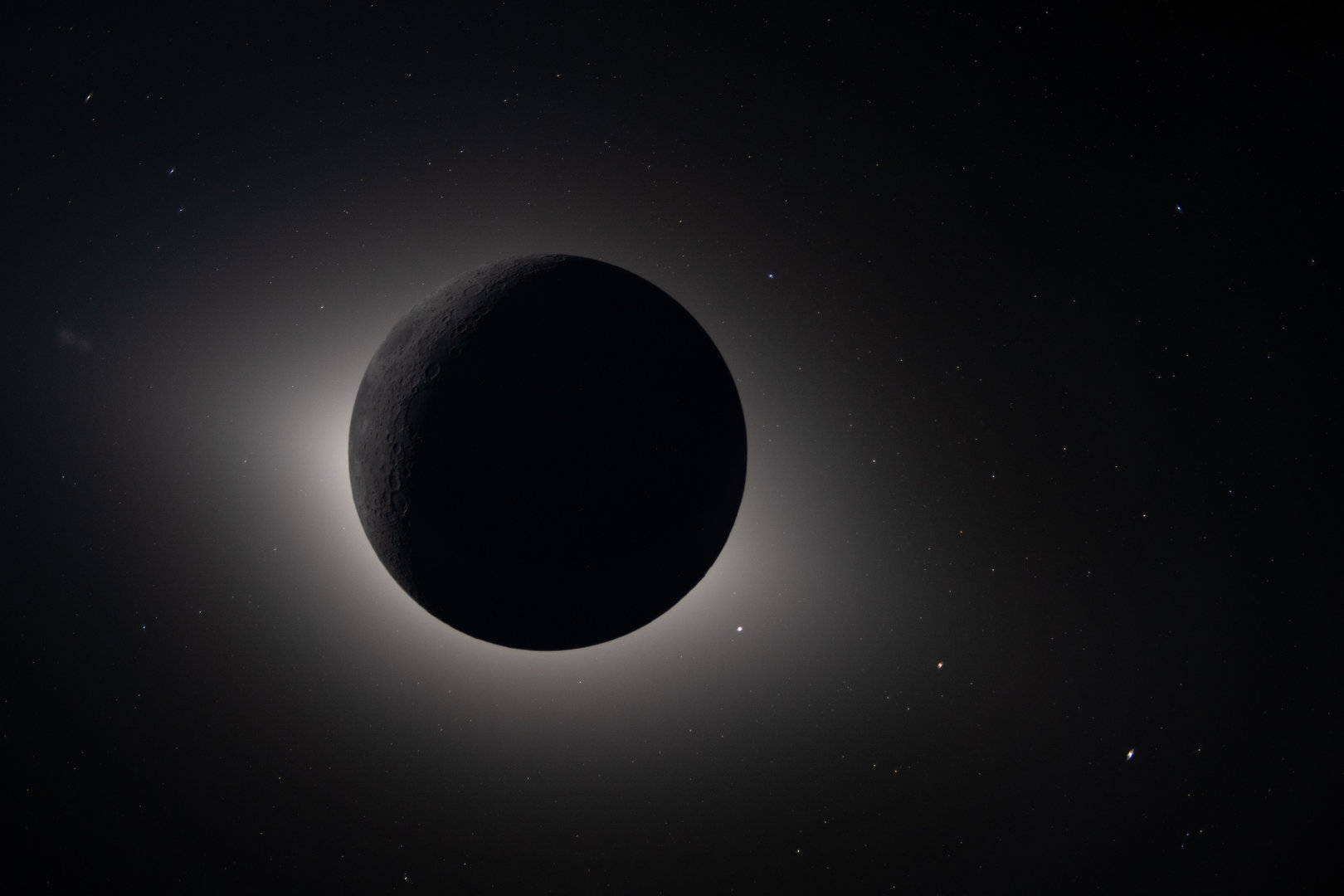
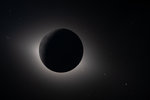
The camera model, successfully tested in this manner, was now used in NASA’s recently successfully completed Artemis II lunar mission and delivered impressive images — including pictures of a solar eclipse from space. These results demonstrate the technology’s performance under real operating conditions.
NASA plans to use this camera model in future missions under the Artemis program as well — particularly during the planned return of astronauts to the lunar surface. This will mark the first time in over 50 years that humans will set foot on the Moon.
“Our accelerator facilities enable us to precisely simulate cosmic radiation on Earth,” explains Professor Thomas Nilsson, Scientific Managing Director of GSI/FAIR. “This allows us to make important contributions to ensure the safety and performance of future space missions.”
“With our expertise in radiation physics, we at GSI and FAIR are making a significant contribution to international space research, in collaboration with NASA and ESA. Our research not only helps in the development of robust space technologies but also to better understand the effects of cosmic radiation on humans,” adds Professor Marco Durante, Head of the Biophysics Department at GSI and FAIR.
“GSI/FAIR is a unique facility in Europe for testing electronics components, especially components-off-the-shelf (COTS) with high-energy heavy ions, an important requirement for future space missions,” says Tim Wagner, a physicist at GSI/FAIR and the person responsible for conducting microelectronics hardness testing at GSI.
The recent successful test experiments were conducted as part of the EU’s RADNEXT funding program and took place during the FAIR Phase 0 experimental period. This phase enables researchers to carry out groundbreaking scientific experiments and developments even before the FAIR facility is fully completed. (IP)
About GSI/FAIR
The GSI Helmholtzzentrum für Schwerionenforschung in Darmstadt has been operating world-leading particle accelerator facilities for decades. Currently, the international accelerator center FAIR is being built there, one of the largest research projects in the world. With FAIR, matter will be produced in the laboratory and studied in ways that otherwise only occur in the universe. Researchers from around the world use the facilities for experiments to gain new insights into the structure of matter and the evolution of the universe. In addition, they are developing novel applications in medicine and technology.


