


World record at GSI/FAIR — Darmstadt ranks first in the discovery of new nuclear isomers
26.02.2026 |
Chemical elements, new isotopes, tiny particles — the GSI Helmholtzzentrum für Schwerionenforschung in Darmstadt, Germany, is renowned for its discoveries, including a total of six superheavy elements. Now there is a new world record to report: The research center, where the international accelerator facility FAIR is currently being built, leads the world rankings in the discovery of nuclear isomers. The statistics were compiled by Professor Michael Thoennessen from Michigan State University, USA, in the journal “Atomic Data and Nuclear Data Tables.”
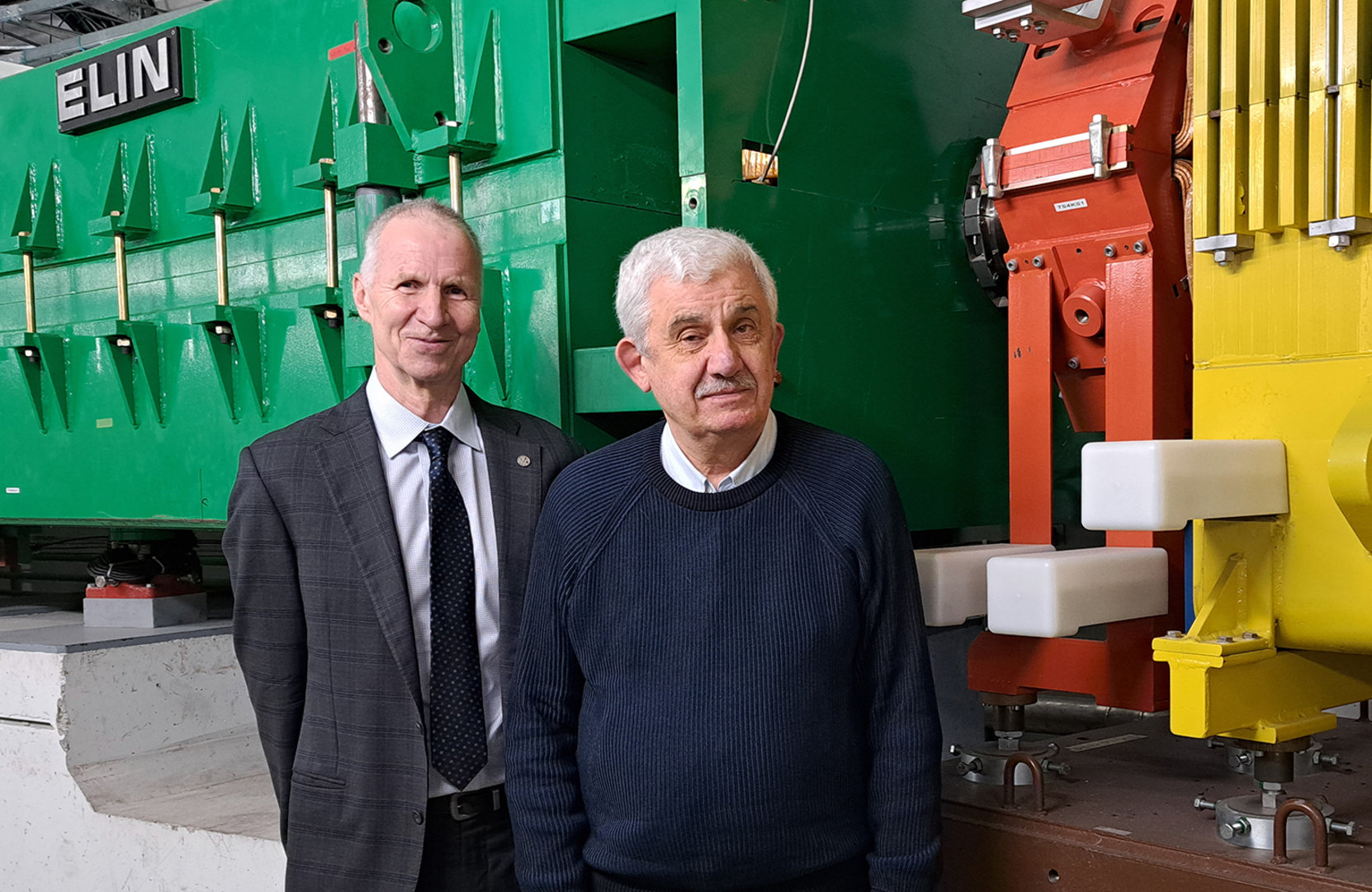
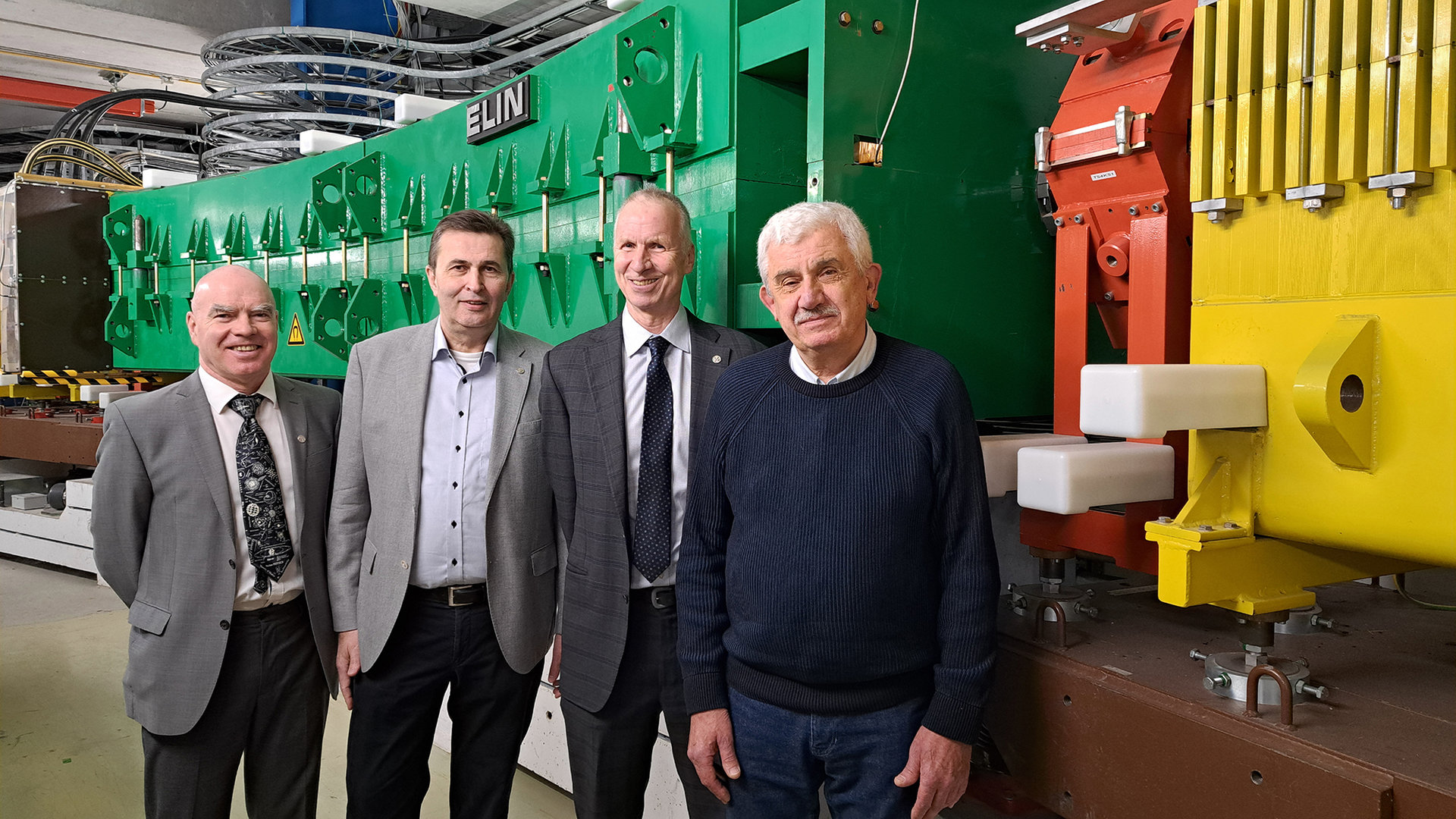
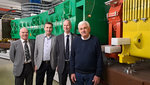
A total of 192 nuclear isomers have been discovered at GSI/FAIR — more than at any other research facility in the world. One researcher stands out — Dr. Ivan Kojouharov alone is responsible for 143 nuclear isomers. This puts him at the top of the global ranking of co-discoverers. Kojouharov worked in the nuclear spectroscopy research department at GSI/FAIR for many years and retired a year ago.
“This number really surprised me,” reports the former GSI/FAIR researcher. “I didn't expect to be at the top of the list. I contributed to the discoveries mainly through the development of high-performance germanium detectors, which were of course used in a large number of experiments to measure nuclear isomers. As a result, I am listed on many publications.”
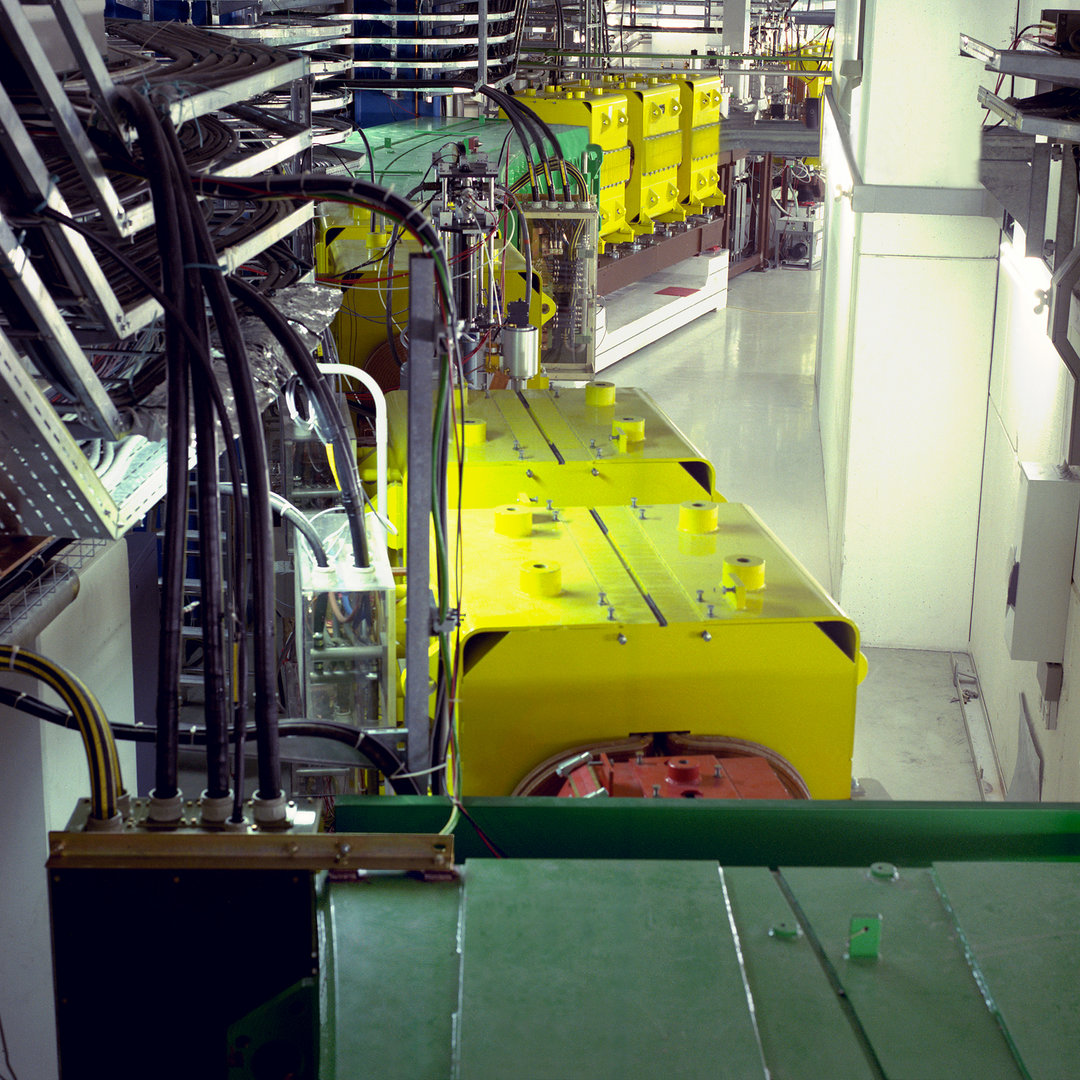
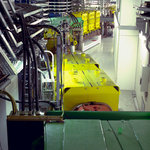
The particularly successful combination of accelerators and measuring instruments at GSI/FAIR has made this number of discoveries possible. An entire acceleration chain is available, starting with the UNILAC linear accelerator, through the SIS18 ring accelerator, to the ESR experimental storage ring. These can be used to conduct research on all chemical elements found on Earth. The FRS fragment separator made a special contribution to the discoveries. This “sorting machine” can isolate specific nuclei from a multitude of fragments after a nuclear collision and examine them for isomerism.
A nuclear isomer is an atomic nucleus that has stored a particularly large amount of energy — and retains it for an unusually long time. Normally, atomic nuclei release excess energy immediately. In isomers, however, the internal structure acts like a brake, delaying the release of energy. Only after a certain amount of time the nucleus returns to a more stable state and releases the stored energy, usually in the form of gamma radiation. Nuclear isomers play a role in nuclear reactions in stars and in the formation of heavy elements in our cosmos. But they also have very specific applications, e.g. in medical diagnostics or as candidates for high-precision nuclear clocks that could be even more accurate than today's atomic clocks.
The new figures on nuclear isomers have been compiled by Professor Michael Thoennessen from Michigan State University, USA, in the journal “Atomic Data and Nuclear Data Tables.”
“All currently known scientific publications on nuclear isomers with a half-life greater than 100 nanoseconds were taken into account,” he reports. “We have newly compiled the isomer statistics after maintaining the statistics on isotope discoveries for many years.” Here, too, GSI/FAIR is at the forefront. Professor Hans Geissel († 2024) has held the undisputed discovery record since 2013 with 279 isotopes. GSI ranks second among the institutes.
Thoennessen visited GSI/FAIR in the framework of the meeting of the international FAIR research collaboration NUSTAR, which was the first major scientific meeting to be held regularly on campus again shortly after the fire at GSI in early February. At NUSTAR, scientists are investigating the nuclear reactions that take place inside stars, for example to understand how chemical elements are formed in our universe.
The new international accelerator center FAIR, one of the world's largest research construction projects, is currently being built at GSI to gain new insights into the structure of matter and the evolution of the universe. FAIR also includes the superconducting fragment separator Super-FRS, a successor to the FRS at GSI. “In the future, we expect many more discoveries of isotopes and nuclear isomers at the Super-FRS,” says Professor Thomas Nilsson, Scientific Managing Director of GSI and FAIR. “With FAIR, we want to bring the universe into our laboratory and, of course, defend our leading position in the world rankings.” (CP)


