


Laser-based isotope separation: Funding for spin-off project AVLIS

21.08.2025 |
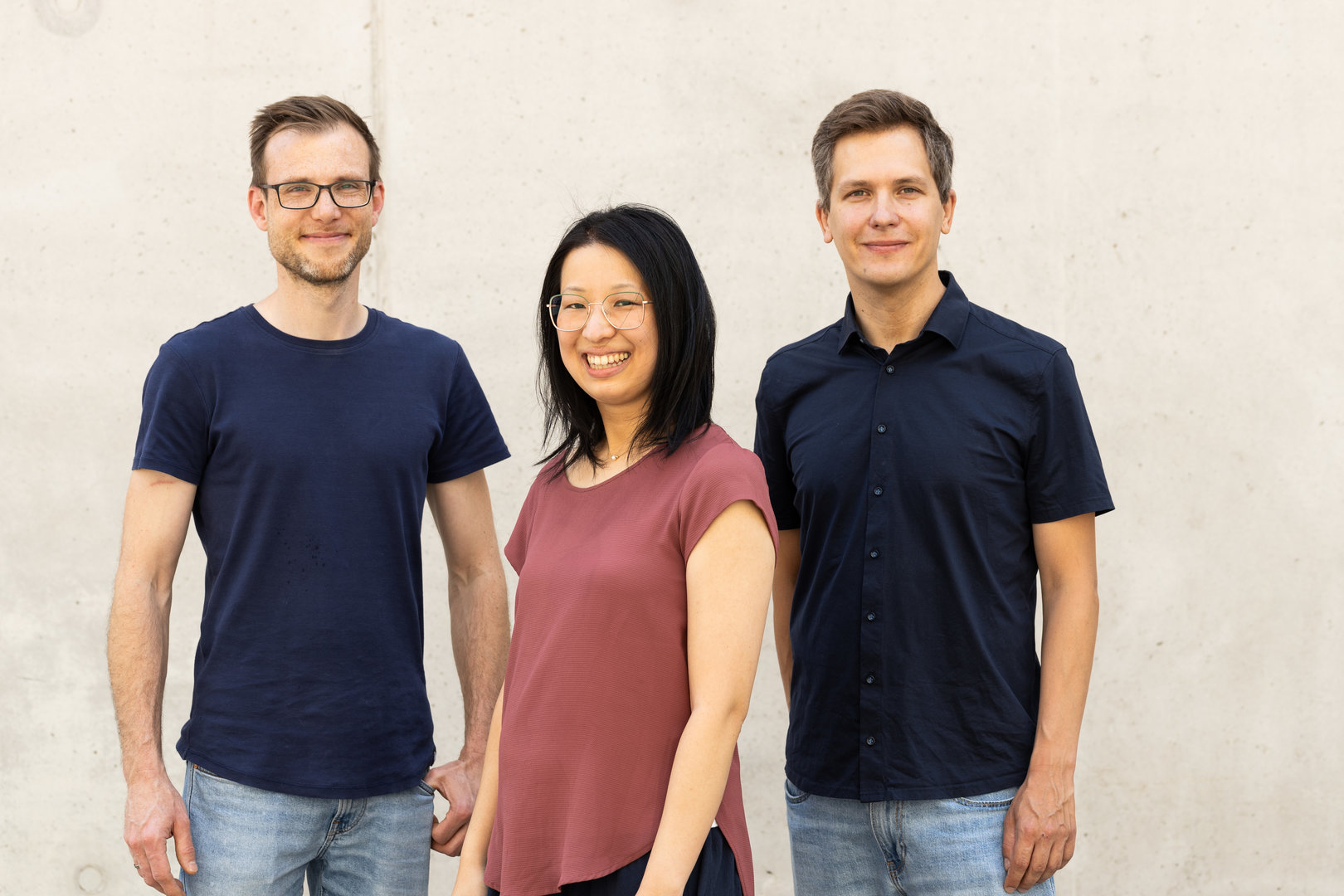
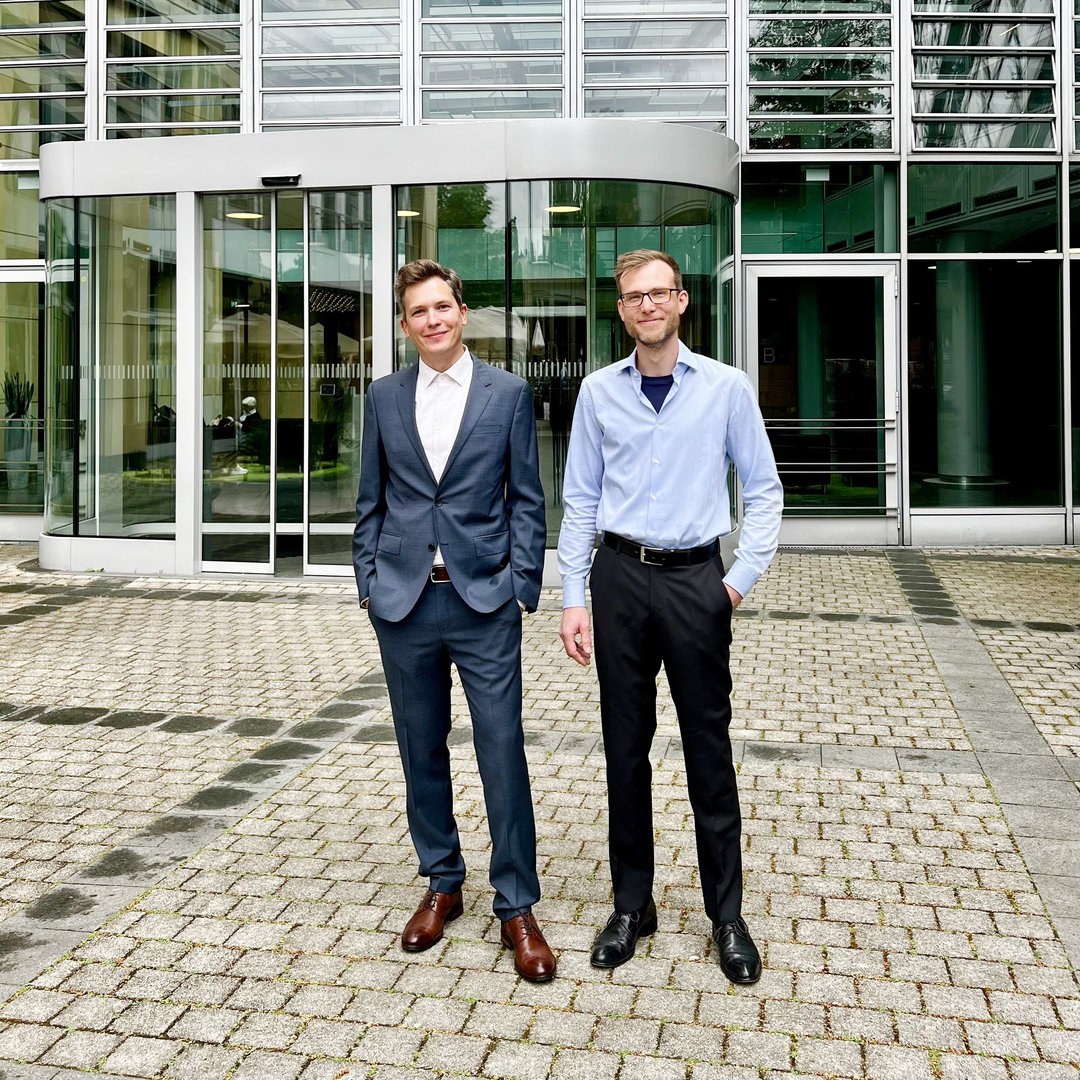
A team of scientists from the Helmholtz Institute Mainz, a branch of GSI Helmholtzzentrum für Schwerionenforschung in Darmstadt and Johannes Gutenberg University Mainz, has secured funding under the Helmholtz Enterprise spin-off program. Dr. Dominik Studer, Dr. Tom Kieck, and their colleague Yuki Ishikawa received €230,000 in funding over 14 months for their spin-off project AVLIS (Atomic Vapor Laser Isotope Separation) with the aim to prepare for the establishment of a company. The developed technology enables highly flexible and energy-efficient laser-based isotope separation and is aimed at applications in radiopharmacy and fundamental research.
With AVLIS, the team is developing an innovative process for laser-based isotope separation that enables particularly energy-efficient and selective enrichment of individual isotopes. The method is based on the vaporization of the raw material and the subsequent resonant laser ionization of the target isotope in the atomic vapor. The ions produced in this way are separated in an electric field. “Our laser-based process allows isotopes of different elements to be enriched in a targeted manner with low energy consumption,” explains Dr. Dominik Studer. “Highly enriched isotopes are needed for efficient production processes and high-purity end products, especially in radiopharmacy.” A specific ionization scheme has already been developed for calcium-48 and successfully tested in a specially designed apparatus. The modular design of the system allows for quick adaptation to different elements and future fields of application.
In the first project phase, which started in August 2025, the team is focusing on the production of calcium-48 – an indispensable projectile for the synthesis of superheavy elements in fusion reactions, such as those carried out at GSI/FAIR. The application of this method to calcium-48 goes back to an initiative by Dr. Sebastian Raeder from the GSI/FAIR research department for the physics of superheavy elements, who is accompanying the project as a scientific advisor. Other target isotopes are ytterbium-176 and gadolinium-160, which serve as starting materials for the production of radioisotopes used in medicine, such as lutetium-177 and terbium-161. These are used in cancer therapy and are in high demand worldwide. “For manufacturers in Europe, a reliable supply of highly enriched starting material is crucial – whether in cancer therapy or research,” explains Dr. Tom Kieck.
A preliminary project has already been funded as part of the GSI Innovation Fund, which confirmed the technological feasibility and laid the foundation for the current spin-off funding. The spin-off team has now received funding approval from the Helmholtz Enterprise spin-off program. The spin-off program supports entrepreneurially oriented scientists in implementing start-up projects at Helmholtz Centers. In addition to financial support, the program also enables the formation of mixed start-up teams and participation in entrepreneurship training. In the case of AVLIS, the funding will be used to advance technological development, deepen initial customer contacts, and pave the way for the establishment of a marketable company. (CP)


