


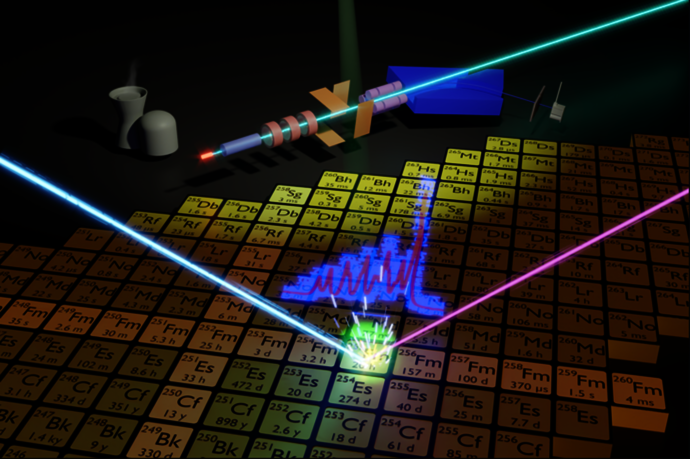
First high-precision measurements of the fermium-255 nucleus validate modern nuclear models and advance the search for superheavy elementsFor the first time, researchers have determined the shape of the actinide nucleus of fermium‑255 and measured its structure with high precision and resolution. This breakthrough, published in Physical Review Letters, supports modern theoretical models and opens new possibilities for understanding the behavior of the heaviest atomic nuclei.
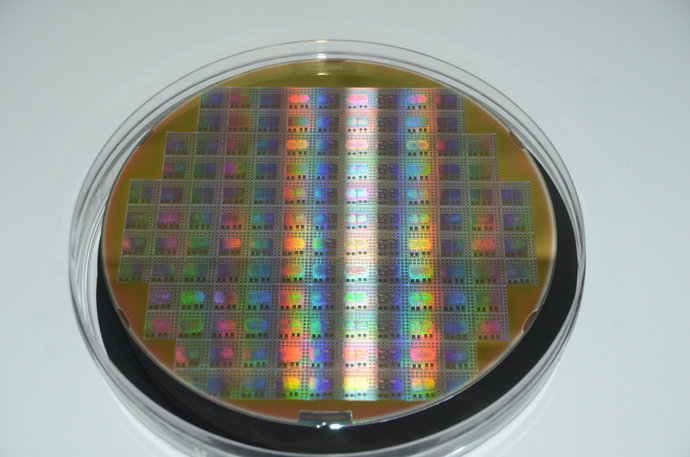
A consortium of 33 partners, including GSI/FAIR, aims to strengthen Germany’s innovative capacity and resilience in the field of microelectronics. The consortium includes universities, institutes of the Fraunhofer Society, the Helmholtz Association, and the Leibniz Association, as well as industry partners and associated partners. Together, they have now applied to establish a competence center for chip design. The call for proposals was issued in April of this year by the German Federal…
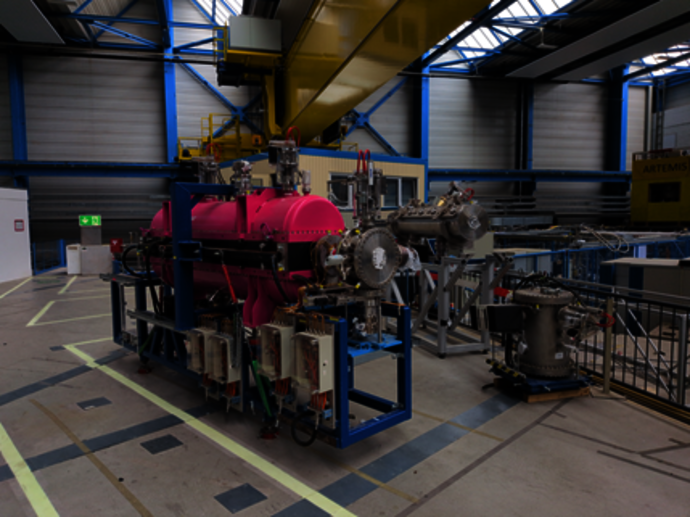
Recently, the HITRAP accelerator has been disassembled and transported out of its experimental cave, in preparation for its future use as an interim injector for FAIR. This marks the first important milestone in the sub-project PARTIH, that will generate and provide ion beams in the Transfer Channel between the UNILAC and SIS18. Those beams will then be accelerated further in SIS-18 and will enable FAIR commissioning.
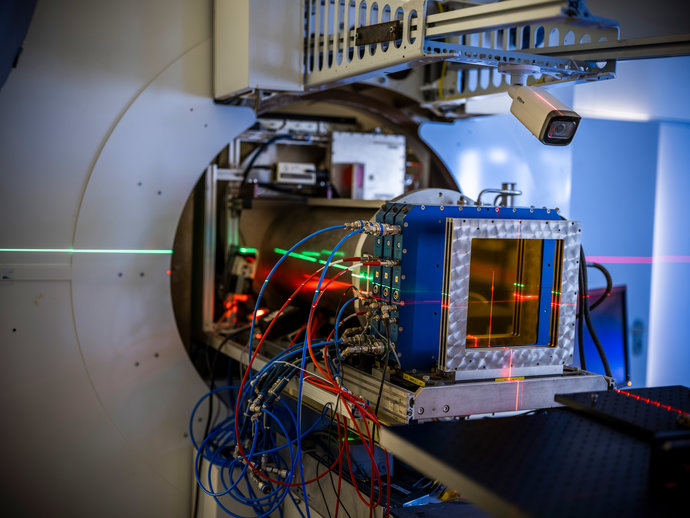
Using radioactive ion beams and in‑beam PET, researchers at GSI/FAIR, in collaboration with the Ludwig Maximillian Universität (LMU) Munich, are working on a new generation of highly precise, adaptive particle therapy. Because tumors and surrounding organs can shift or change shape during the course of treatment, radiotherapy plans often need to be adapted in real time to keep delivering the dose safely and effectively to the tumor. A new study within the ERC project „BARB – Biomedical…
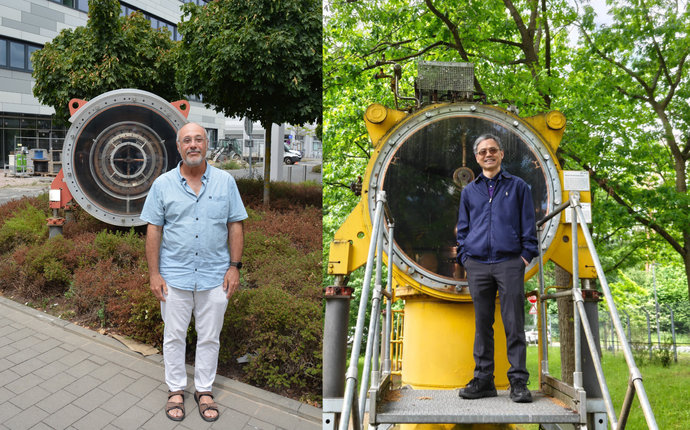
The GSI Helmholtzzentrum für Schwerionenforschung in Darmstadt and the future FAIR accelerator facility continue to attract world-leading scientists. This year, two winners of the prestigious Humboldt Research Award are conducting research at the Darmstadt site: Professor Yong-Zhong Qian (University of Minnesota, USA) was already on site, and Dr. Peter Jacobs (Lawrence Berkeley National Laboratory, USA) is expected to arrive in the second half of 2026.
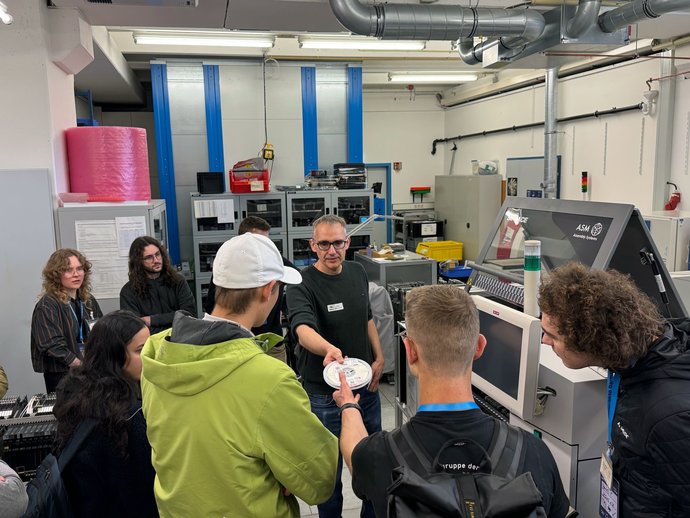
As part of the BVSR Conference 2026, GSI/FAIR recently welcomed 200 students from the fields of space science and engineering to its campus in Darmstadt. The Bundesverband studentischer Raumfahrt e. V. (BVSR) represents student groups involved in space projects at the national level. The visit offered exciting insights into current research and underscored the importance GSI/FAIR places on supporting the next generation of scientists.
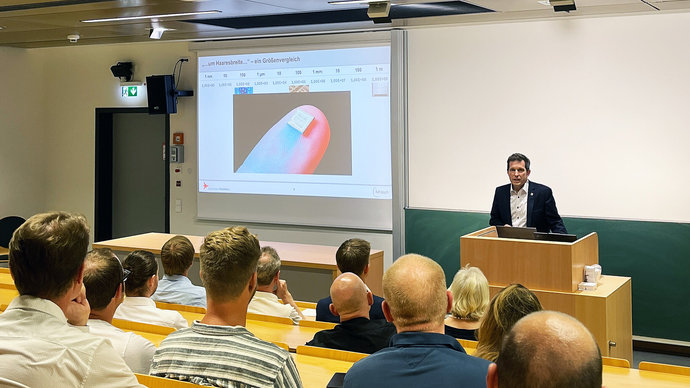
Microsystems are essential components of sensors. They are used in medical and mobility technology, cybersecurity and communications technology as well as for networked production processes. But they also play an increasingly important role in the energy transition. Scientists at the Rüsselsheim Campus of Hochschule RheinMain – University of Applied Sciences and Arts (HSRM) are currently developing a platform for the micro-nano integration of novel sensor elements. In the coming years, they will…
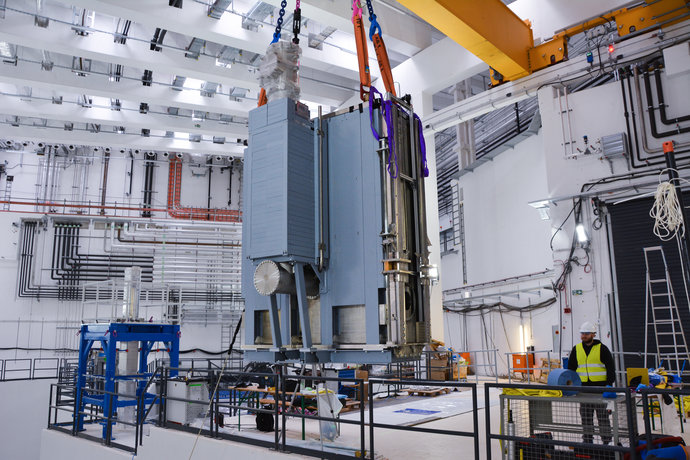
FAIR has reached another milestone: The target chamber for the superconducting fragment separator (Super-FRS) was successfully placed in its final location within the FAIR construction site and is thus the first installed component of the Super-FRS target area.

At the 2nd Darmstadt Sensor Technology Day, the initiators presented their plans for a Hessian Sensor Technology Cluster. The aim is to strengthen collaboration between research institutions, industry, and start-ups, and to accelerate the transfer of new technologies into practical applications. Participants from research, industry, and application sectors. Around 80 representatives from science, business, and politics gathered at GSI/FAIR in Darmstadt.


